Series
All Games
8 games published. Each comes with the video, the full script and the list of sources and research.
Season 1
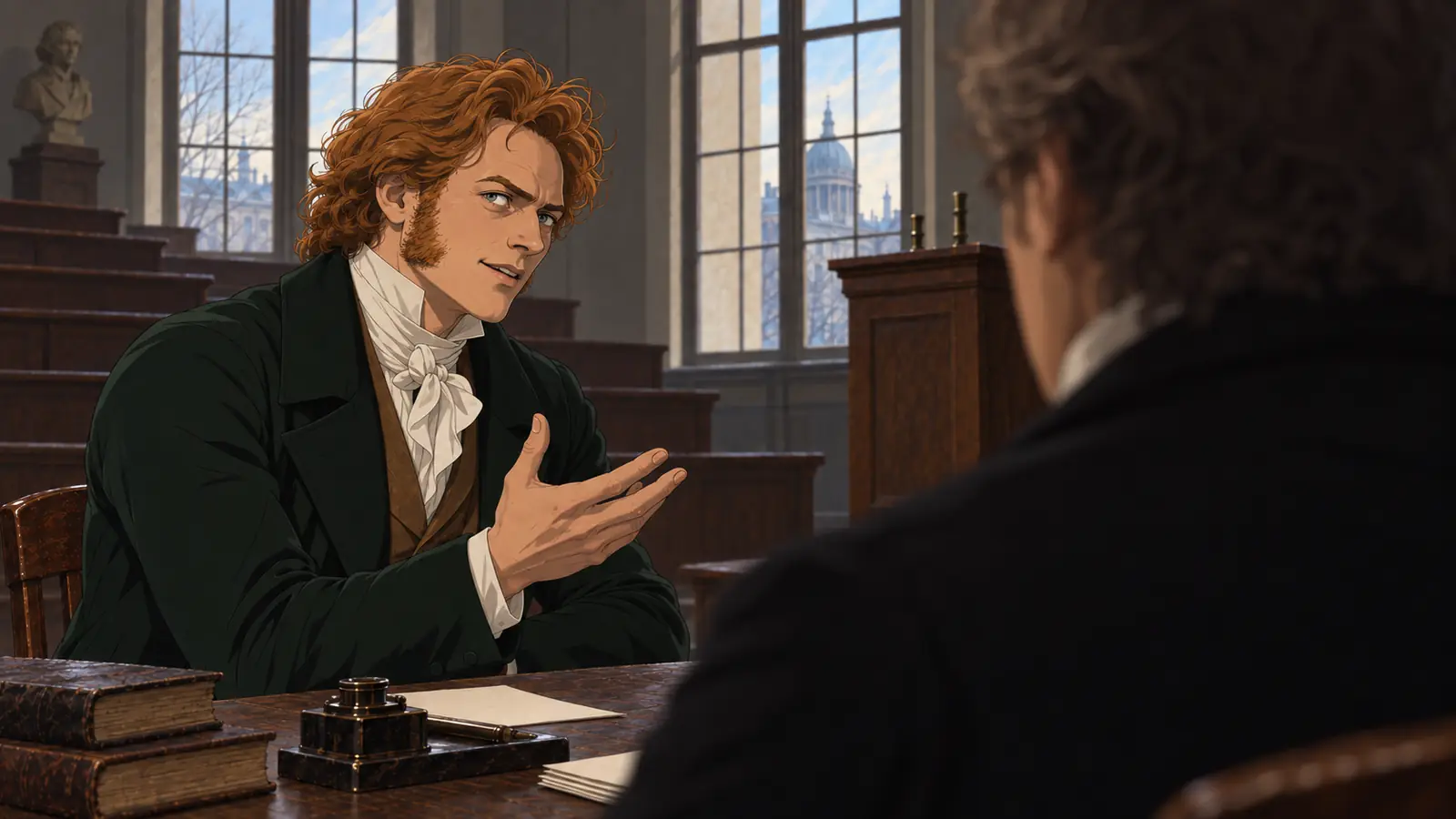
Game 1 · 12 min 22 s ·
Why You Crave Ramen at Midnight
Schopenhauer×Hegel
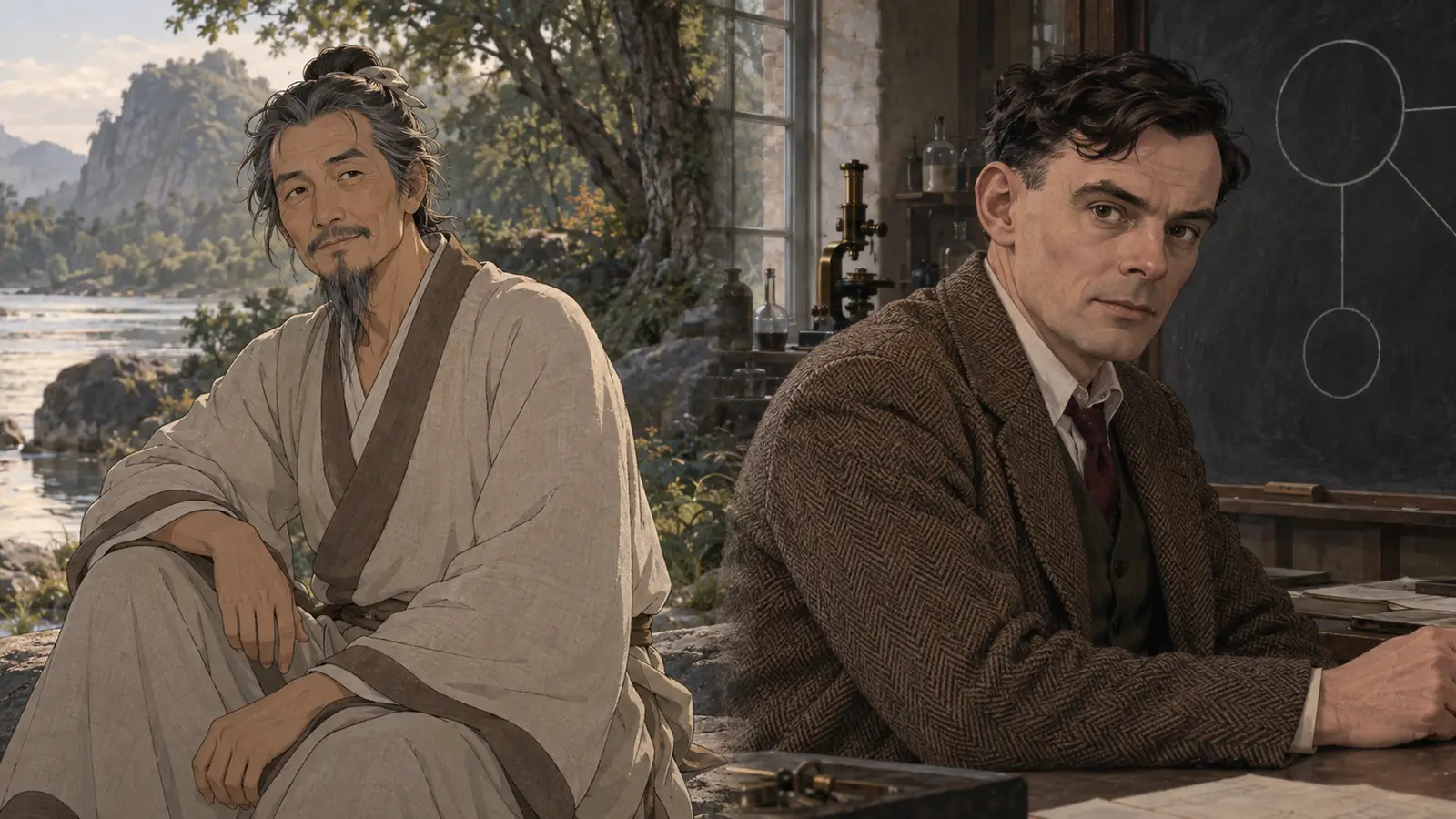
Game 2 · 13 min 44 s ·
If AI Does All My Work, What Should I Do Next?
Zhuangzi×Turing
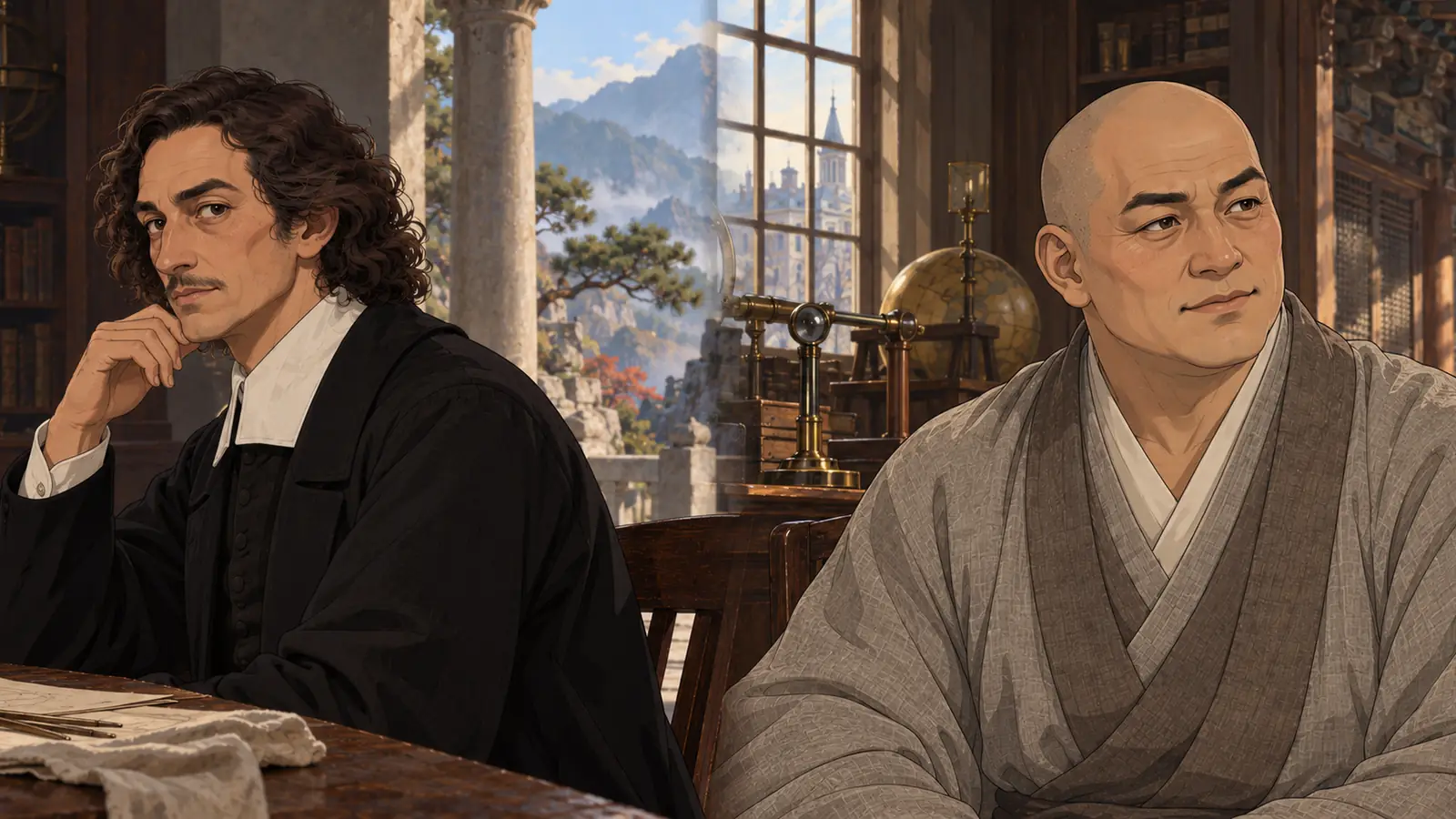
Game 3 · 13 min 46 s ·
Why do we always regret it after we snap?
Spinoza×Wonhyo
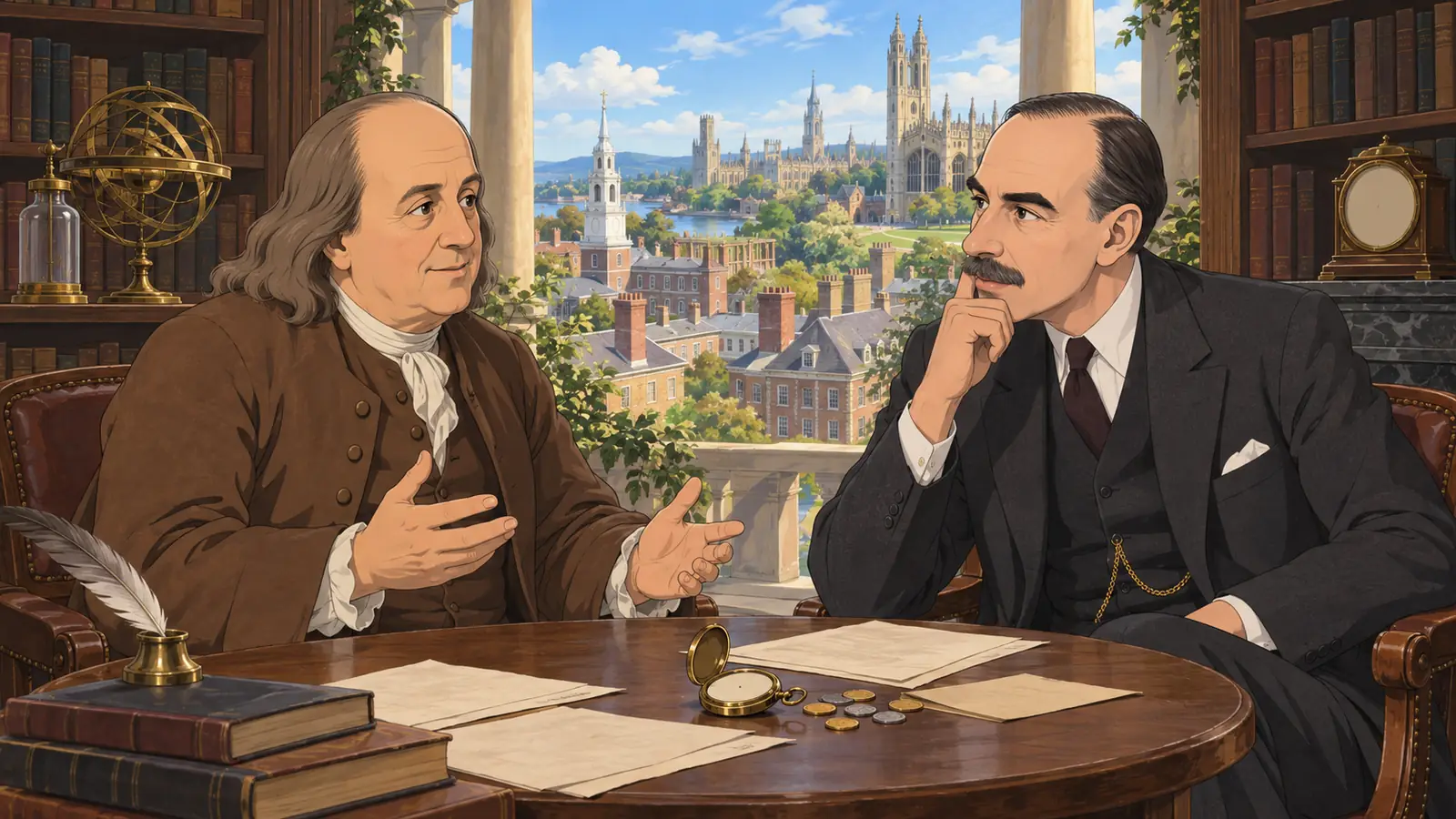
Game 4 · 13 min 20 s ·
Why Hard Work Alone Doesn't Make You Rich
Franklin×Keynes
Why is it so hard to get rich even when you work hard? We look for the answer in Benjamin Franklin, who spread "time is money," and John Maynard Keynes, who said "in the long run we are all dead." The two never met — this is an animated dramatization, but their lines come from what they wrote.
Game 5 · 11 min 12 s ·
Could Writing Speech As It Is Change the World?
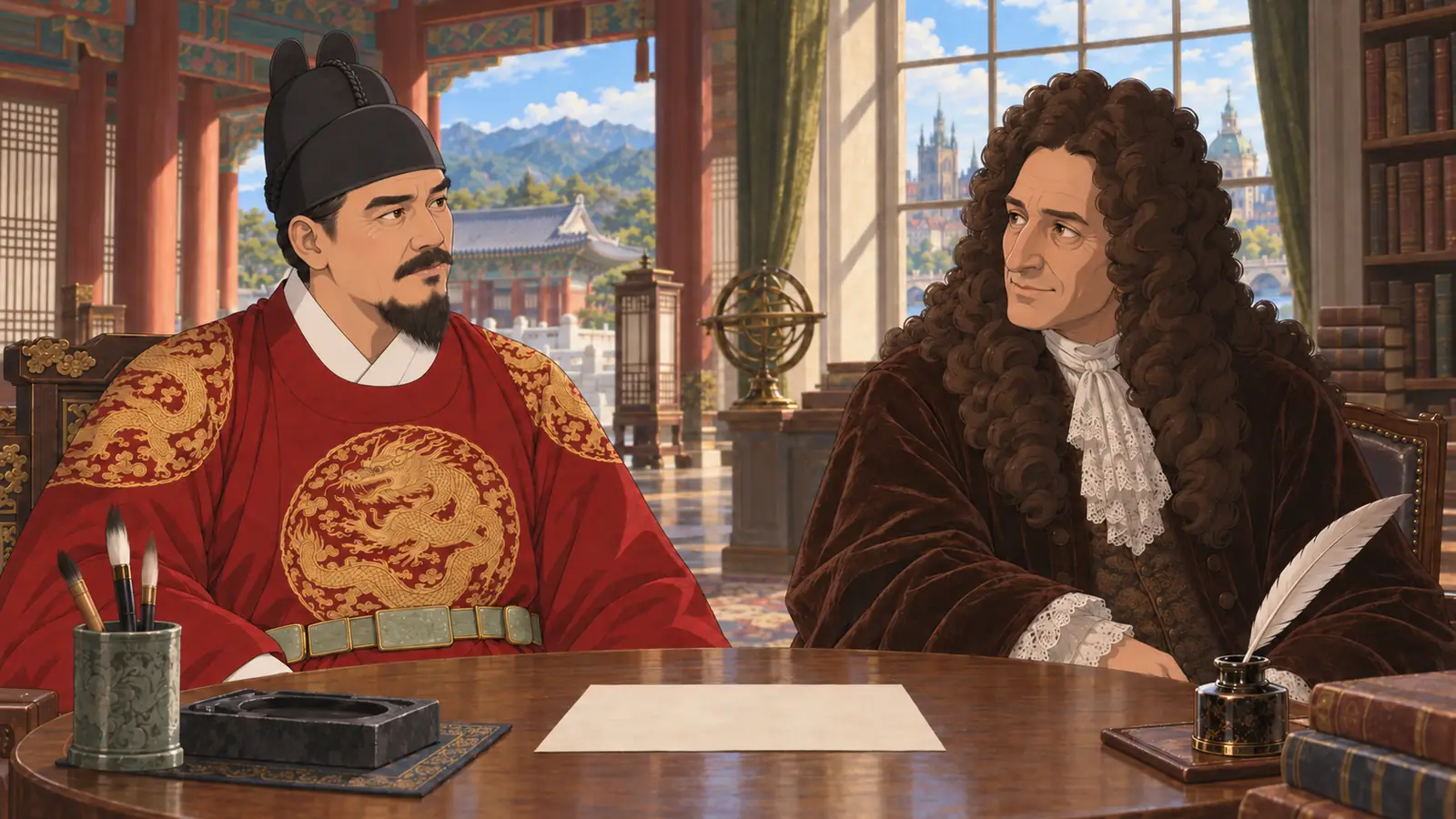
Sejong the Great×Leibniz
If we could write down speech just as it is, would the world change? We look for the answer in Sejong the Great, who made 28 letters that write sounds, and Leibniz, who dreamed of symbols that would let us calculate thought. The two never met — this is an animated dramatization, and their lines come from what they wrote.
Game 7 · 10 min 18 s ·
What Gets You Through a Hard Day?
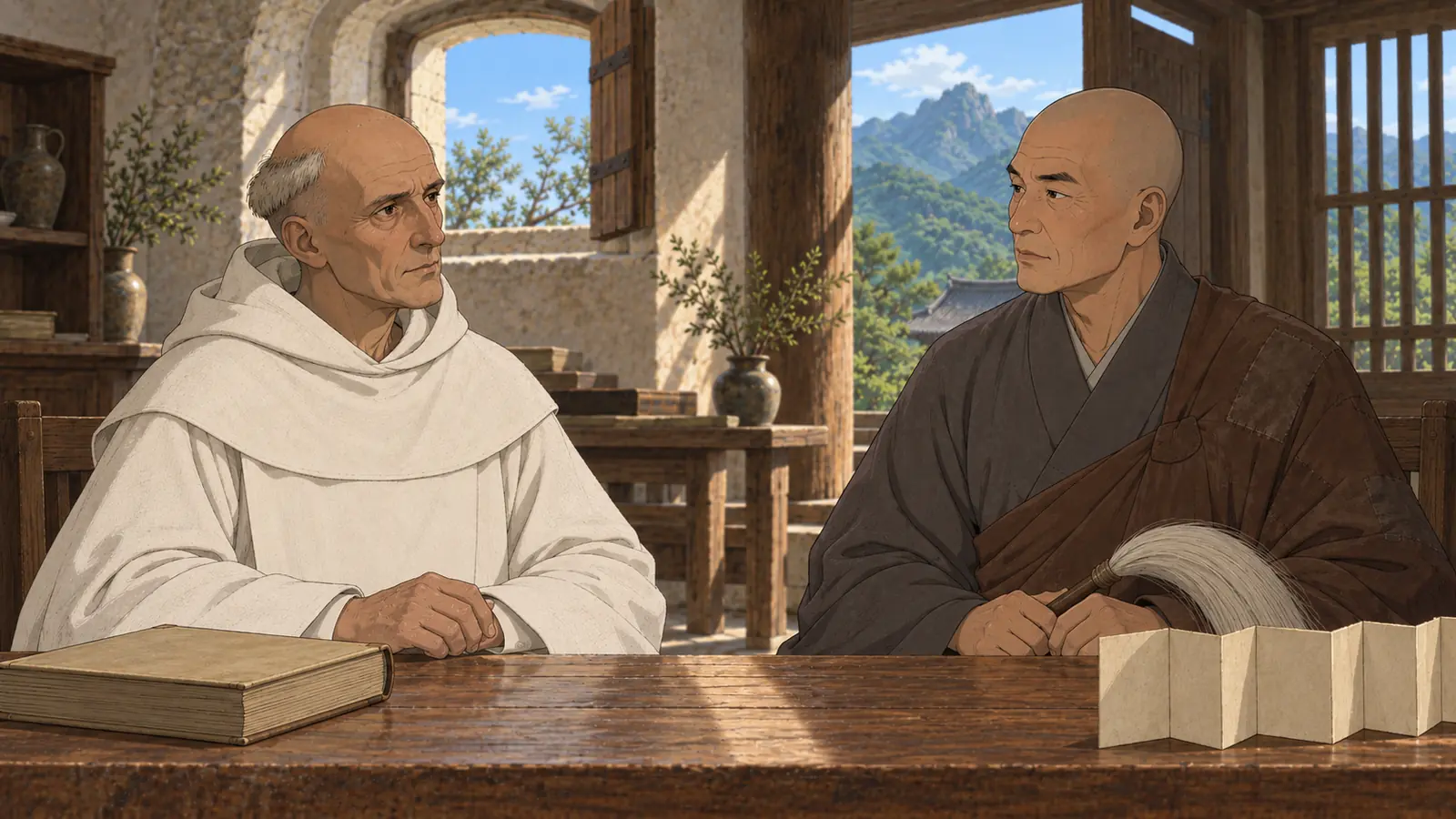
Eckhart×Naong
What gets you through a hard day? We look for the answer in Meister Eckhart, the German friar and Paris master who said "observe yourself, and wherever you find yourself, leave yourself," and Naong Hyegeun, the Goryeo monk who asked his listeners who it is that hears these words right now. Their paths were different, yet both pointed to the same place: here and now. The two never met — the dialogue is a dramatization reconstructed from what they wrote and said.
Game 9 · 10 min 51 s ·
Is It Really Too Late?
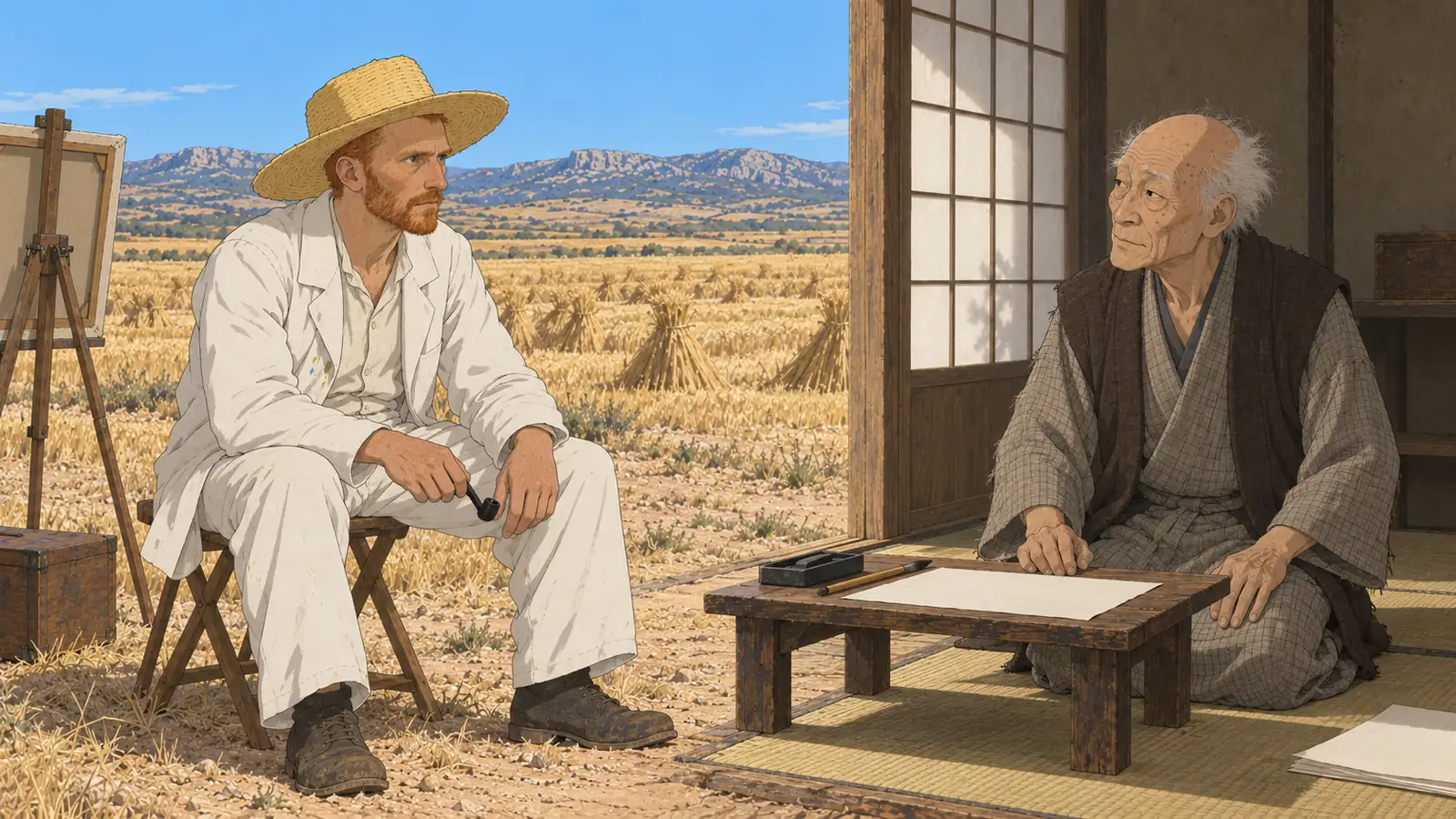
Van Gogh×Hokusai
When you think it's too late, is it really too late? We look for the answer in Vincent van Gogh, who decided at 27 to become a painter and wrote to his brother that, having started late, he had to work twice as hard, and Katsushika Hokusai, who gave his own age as 75 and wrote that nothing he drew before 70 was worth noticing. A painter who burned hot for about ten years, and a painter who kept going doggedly for 70 years. Yet two people who never once met wrote similar lists, from grasses and trees to beasts. Short and long, fiery and cold: that was only the outward appearance. Neither of them stopped because it was late. Hokusai said his pictures before 70 were not worth noticing, and Van Gogh did not stay with what he knew how to do. The two never met; the dialogue is a dramatization reconstructed from what they wrote.
Season 2
Game 11 · 10 min 18 s ·
Why Write the Same Day Twice?
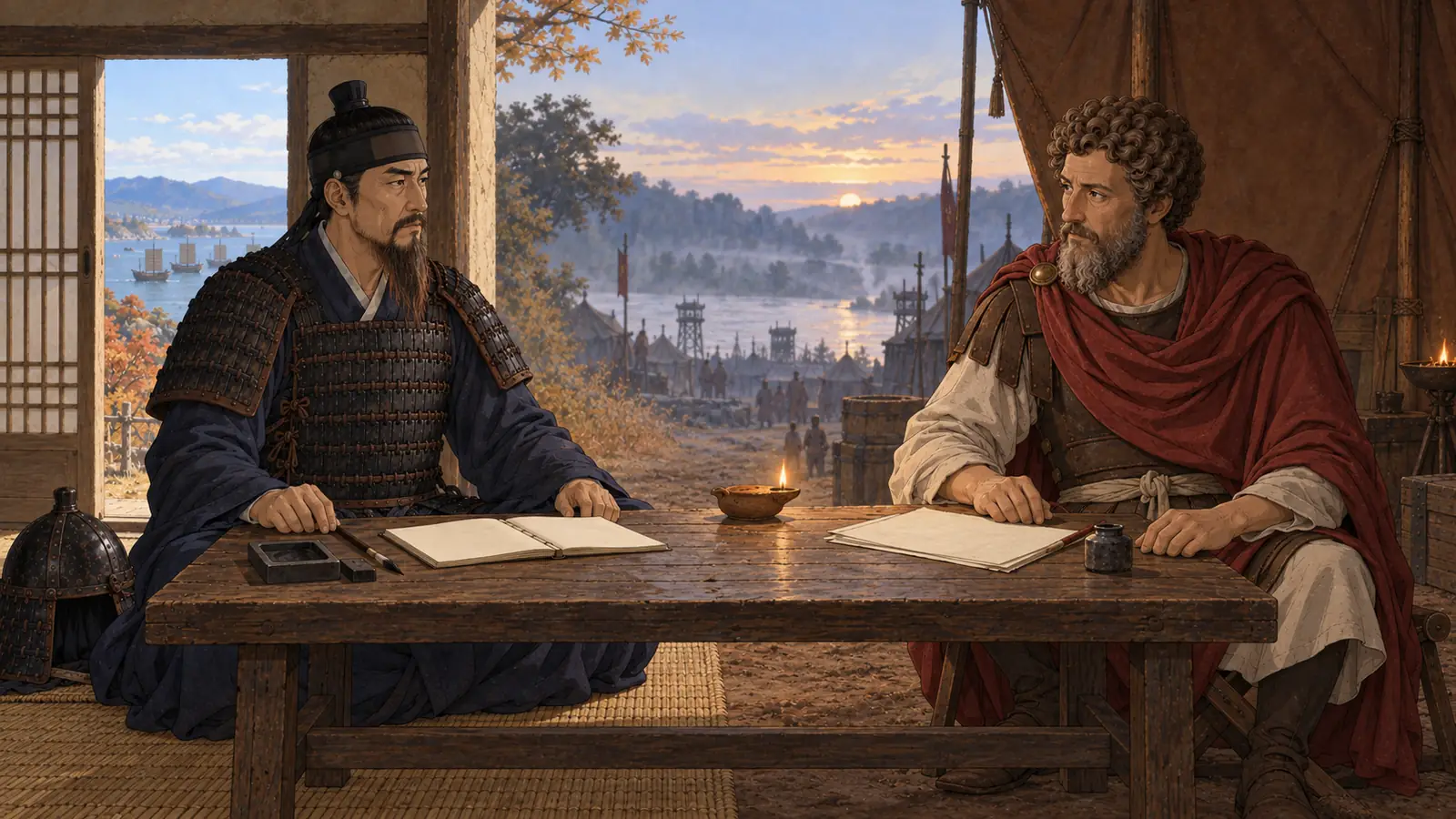
Yi Sun-sin×Aurelius
Why did Yi Sun-sin write the same day in his diary twice? We look for an answer to what to write on a hard day in Yi Sun-sin, the Joseon commander who wrote down even his weeping, saying "I cannot write it all," and Marcus Aurelius, the Roman emperor who wrote to himself to add nothing more to what happened.