Great Games of Thought · Game 7 · · 10 min 18 s
What Gets You Through a Hard Day?
Eckhart×Naong
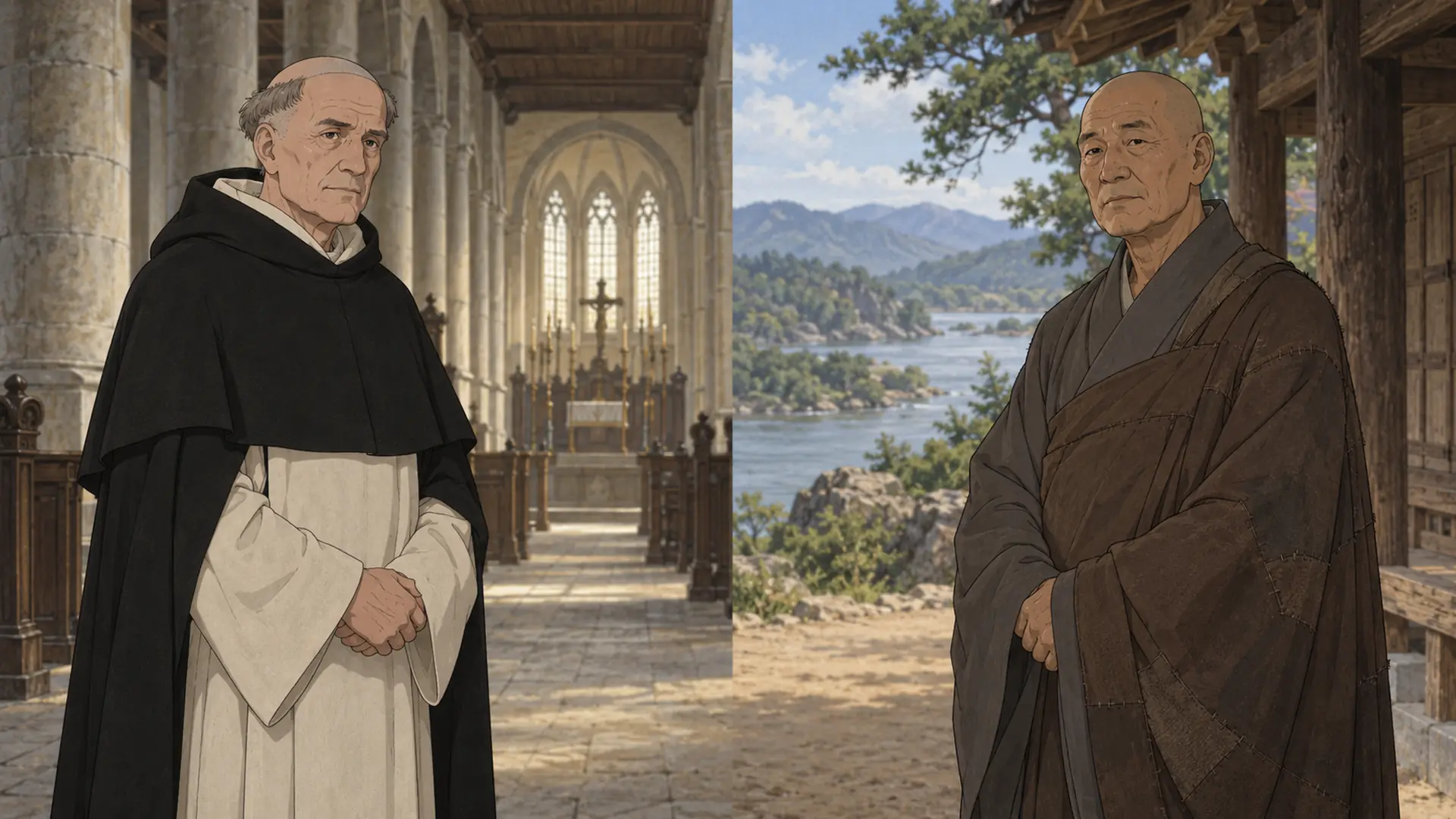
What gets you through a hard day? We look for the answer in Meister Eckhart, the German friar and Paris master who said "observe yourself, and wherever you find yourself, leave yourself," and Naong Hyegeun, the Goryeo monk who asked his listeners who it is that hears these words right now. Their paths were different, yet both pointed to the same place: here and now. The two never met — the dialogue is a dramatization reconstructed from what they wrote and said.
Watch on YouTube (10:18) · English version
The Two
Eckhart and Naong
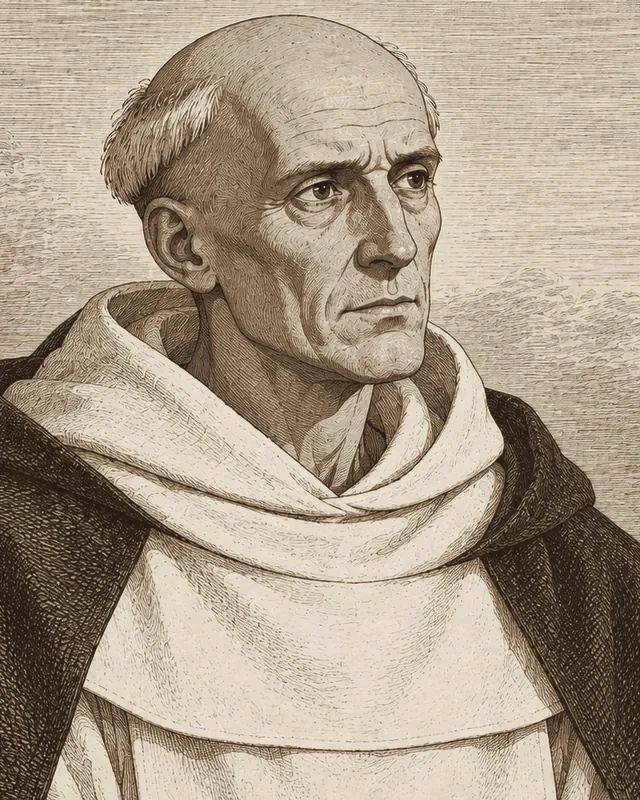 An imagined portrait
Meister Eckhart
c. 1260–1328Meister Eckhart, the German friar and Paris master who said "observe yourself, and wherever you find yourself, leave yourself,"
Observe yourself, and wherever you find yourself, there let go of yourself.Reconstruction; quotation; The Talks of Instruction, ch. 3 (c. 1295–98)
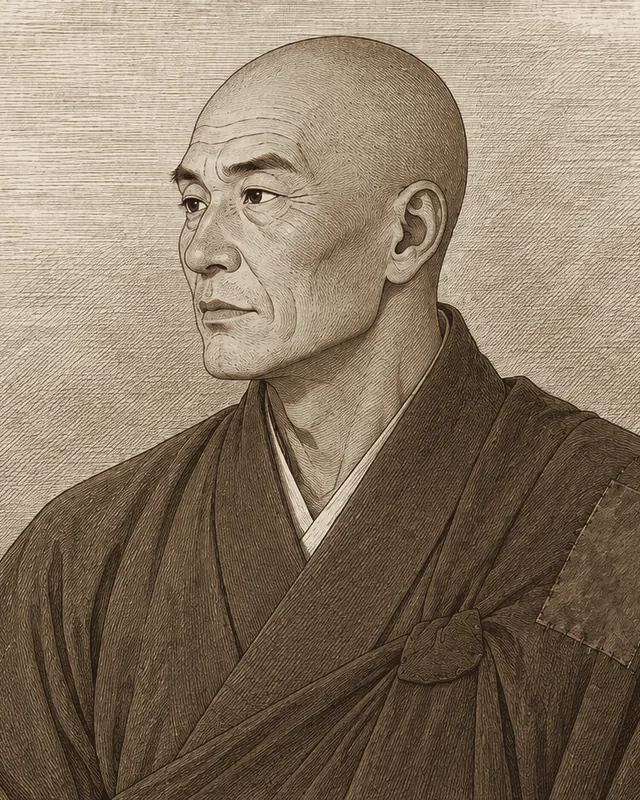 An imagined portrait
Naong Hyegeun
1320–1376Naong Hyegeun, the Goryeo monk who asked his listeners who it is that hears these words right now
Right now, clear and bright before your eyes, who is it that hears these words? Each of you, look into it.Reconstruction; paraphrase; Recorded Sayings of Naong, a public sermon
Twist → Essence
Their paths were different, yet both pointed to the same place
here and now
History · Philosophy · Science
Looking back
History
Facing the accusation, Eckhart answered in writing; and Naong, as he was being sent to Miryang, answered on his last day, when asked where he would go: only, it is here. ('Only, it is here' is in his disciple's record (biography) only.)
Philosophy
The path of letting go and entrusting, and the path of asking to the end. Where both pointed was the self, here and now.
Science
The mind often leaves the present, and the practice of coming back eases anxiety and depression a little. It helps a little, but it is not a cure-all.
One thing to try today
In the hardest moment today, before looking for somewhere to run, ask yourself just two things. Is my mind shaken? Am I calmly doing the part that I can do?
Read
Script and sources
The video's English subtitles, line by line. The dialogue in this video is a dramatization reconstructed from Eckhart's writings and Naong's recorded sayings, stele inscriptions and biography. The two never met.
Script
77 lines · 10 chapters
[Record] confirmed in documents · [Paraphrase] the original, shortened · [Quotation] the original, translated as is · [Reconstruction] scenes and lines written on the basis of the records (the content of the lines comes from the original texts) · [Interpretation] by scholars, research teams or the host · [Quiz] a question asked without making a factual claim In the video, ① Fact · ③ My view are shown in Korean at the top left of the screen; the English subtitles mark only "My view".
0:00 · On a hard day, what keeps you going?
On a hard day, what keeps you going? Watch to the end, and you will take away two questions to ask yourself in the moments you want to run away.
More than 700 years ago, a scholar of a religious order in Germany said: let go of yourself.
Record; paraphrase; The Talks of Instruction, ch. 3
Observe yourself, and wherever you find yourself, there let go of yourself.
Reconstruction; quotation; The Talks of Instruction, ch. 3 (c. 1295–98)
More than 650 years ago, a monk of Goryeo said: keep asking who it is that is listening.
Record; paraphrase; Recorded Sayings of Naong, a public sermon
Right now, clear and bright before your eyes, who is it that hears these words? Each of you, look into it.
Reconstruction; paraphrase; Recorded Sayings of Naong, a public sermon
One man's sentences were condemned by the pope after he died; the other was a king's teacher. How did each of them come to the end?
Record; papal bull (1329); Yi Saek's stupa inscription (1377)
0:45 · Two Deaths, Two Mirrors
February 1327, a church in Cologne, Germany. As another friar reads out a Latin declaration, the old friar who has been accused renders it, point by point, into German. If there is anything wrong in my words and writings, I take it back.
Record; paraphrase; Walshe, introduction; eckhart.de
May 1376, Silleuksa temple in Yeoheung, today's Yeoju, Goryeo. A monk is on his way under orders to go to a temple in the south, and the official taking him there hurries him along.
Record; History of Goryeo, vol. 133; Yi Saek's stupa inscription; his disciple's biography
The monk answers: That is not hard. I will soon be gone. That morning, he passes away.
Record; Yi Saek's stupa inscription (1377); his disciple's biography
These two men, so different, pointed to the same place, though their paths were different. Here and now, the self.
Interpretation; host
1:31 · The Two Men
1:50 · Great Games of Thought · Eckhart and Naong
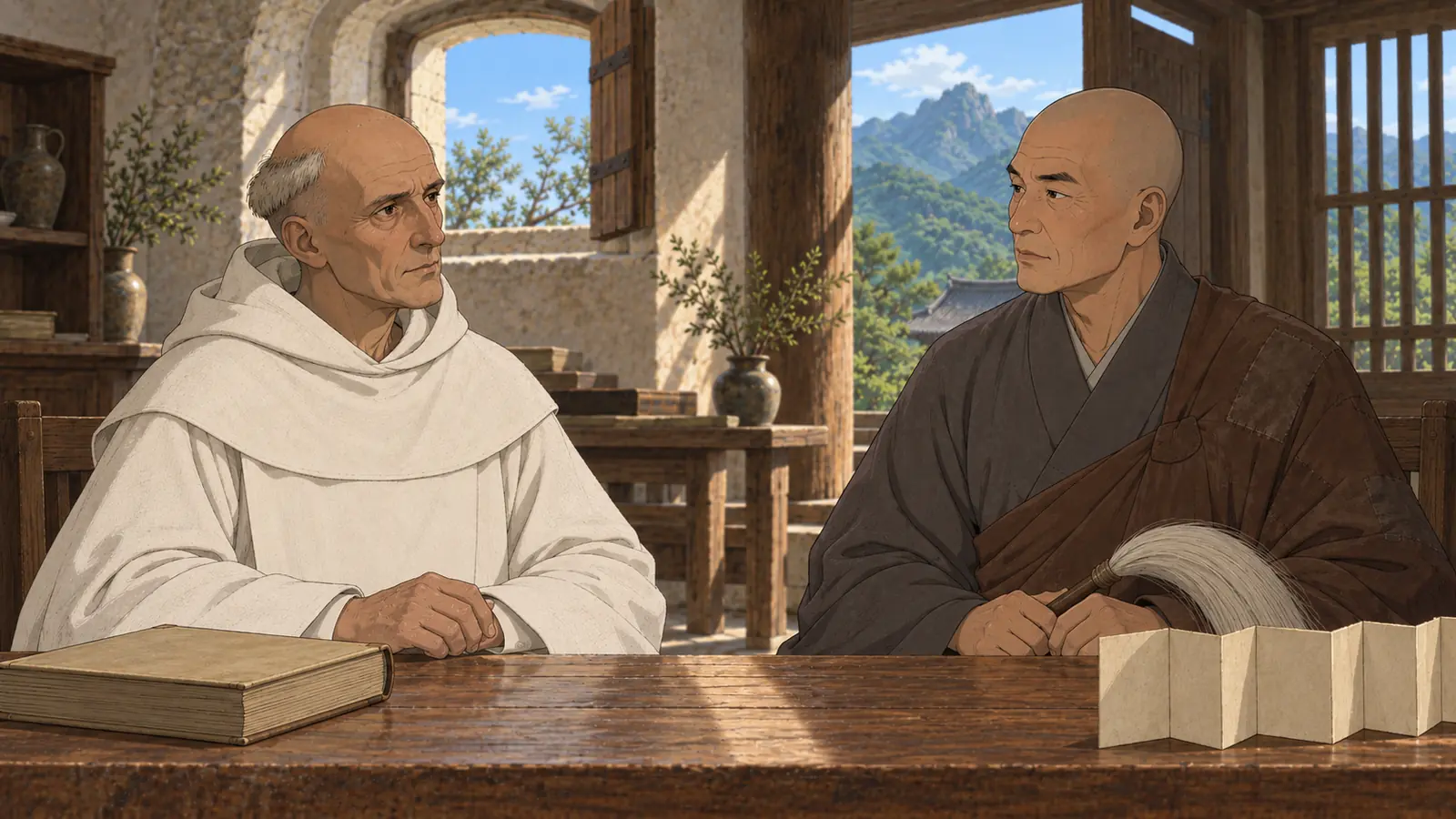
This is an imagined meeting, woven from the writings and words left by two men who never met. First question. On a hard day, where should you go to find peace?
The reason you have no peace is not the place, but you yourself.
Reconstruction; paraphrase; The Talks of Instruction, ch. 3 (c. 1295–98)
Asked about people who feel at peace only in church, he answered: whoever truly has God has him just the same in the street.
Record; paraphrase; The Talks of Instruction, ch. 6
This mind is always right before your eyes. The harder you search for it, the farther it goes.
Reconstruction; paraphrase; Recorded Sayings of Naong, a public sermon
Nearing forty, Eckhart was the prior of a monastery. The friars asked, and he answered. The book that gathers those words is 'The Talks of Instruction'.
Record; The Talks of Instruction, heading; Walshe 2009
Later he taught twice as a professor at the University of Paris.
Record; SEP, 'Meister Eckhart'
And Naong. When he was twenty, a friend next door died, and he asked the elders: where do people go when they die? No one knew.
Record; Yi Saek's stupa inscription (1377); his disciple's biography
He went straight into a temple, and his teacher asked him: what is this that has come here?
Record; Yi Saek's stupa inscription (1377)
It is this very thing that speaks and hears and has come this far. Only, I do not know how to practise.
Reconstruction; quotation; Yi Saek's stupa inscription; his disciple's biography — his answer at about twenty
He crossed to Yuan China, studied for more than ten years, and came back.
Record; Yi Saek's stupa inscription; Encyclopedia of Korean Culture
In 1361, when the Red Turbans invaded, the monks asked to flee. The stele records his answer like this.
Record; Yi Saek's stupa inscription (1377)
I only keep to what is fated. What could bandits do?
Note · Fate (myeong) = one's life, or the destiny set by Heaven — translators differ
Reconstruction; paraphrase; Yi Saek's stupa inscription — 1361, Singwangsa
Even in rapture, it is better to tend a sick person who needs a bowl of soup.
Reconstruction; paraphrase; The Talks of Instruction, ch. 10 (c. 1295–98)
A quiz. 'The blue mountain tells me to live without words.' This song, widely sung as Naong's poem — is it in Naong's collected writings?
It does not appear in his collected writings, nor in his disciple's record or the stele. Where it first appeared has not yet been confirmed.
Record; Complete Works of Korean Buddhism, vol. 6 — within the range checked directly
So today, for Naong's words, we use only what is in the records. Last question. Then where is that 'self'?
In a piece written for a sick monk, he asks like this.
Record; Recorded Sayings of Naong — to Un, a Seon monk who was ill
Where does this pain right now come from? And what is this that knows it hurts?
Reconstruction; quotation; Recorded Sayings of Naong — to the sick monk Un
In Eckhart's sermons there is this saying: the Son of God is born in the soul not once, but unceasingly.
Record; paraphrase; Eckhart, Sermon 101; Sermon 2
What does it avail me that it is always happening, if it does not happen in me?
Reconstruction; quotation; Sermon 101 — quoted as a saying of Augustine
Eckhart said: the now in which God made the first man and the now in which I am speaking are the same in God. There is only one now.
Record; paraphrase; Eckhart, Sermon 2
Observe yourself, and wherever you find yourself, there let go of yourself.
Reconstruction; quotation; The Talks of Instruction, ch. 3 (c. 1295–98)
Right now, clear and bright before your eyes, who is it that hears these words? Each of you, look into it.
Reconstruction; paraphrase; Recorded Sayings of Naong, a public sermon
Eckhart says let go of yourself and entrust it; Naong says keep asking who it is that hears. Their paths were different, but they point to the same place: look into yourself, here and now.
Record; paraphrase; The Talks of Instruction, chs. 3 and 11 / Recorded Sayings of Naong, a public sermon; Interpretation; host
4:49 · How the Two Men Came to the End
Then came the accusation that Eckhart's teaching was dangerous for ordinary people. In 1326, his accusers were two friars of his own order. The archbishop opened proceedings, and he answered in writing.
Record; SEP; Walshe, introduction; eckhart.de
I can be in error, but I cannot be a heretic.
Reconstruction; quotation; His defence (1326)
How do error and heresy differ? By his answer, error belongs to the intellect, and heresy to the will.
Record; paraphrase; His defence (1326); SEP
After the declaration in Cologne, Eckhart went all the way to Avignon to appeal to the pope directly. The theologians there examined his sentences again.
Record; SEP; eckhart.de; Walshe, introduction
But he died in 1328 without seeing the verdict. It was most likely in Avignon, but there is no certain record.
Record; papal letter (30 April 1328); SEP; eckhart.de
The next year, the pope condemned twenty-eight sentences attributed to him, as heretical or suspect of heresy. He added that some of them could be read in a correct sense with many explanations.
Note · Heresy = a view the Church judged to have departed from its teaching
Record; papal bull (1329), Latin text
The papal document neither called him a heretic nor excommunicated him. But it rebuked him for wanting to know more than he should, and also condemned the books containing those sentences.
Record; papal bull (1329); SEP
In April 1376, people high and low crowded into the great gathering at Hoeamsa temple, until the temple gate was jammed. The History of Goryeo records that the state tried to stop it but could not.
Record; History of Goryeo, vol. 133; Essentials of Goryeo History, vol. 30
The court sent him to Milseong, today's Miryang. As he left, he said to the crowd weeping aloud: strive, and strive. Do not give up because of me.
Record; History of Goryeo, vol. 133; Yi Saek's stupa inscription
Ill, he went upriver by boat for seven days and reached Silleuksa. According to his disciple's record, a monk asked: when the body falls apart, where does one go? He brought his two fists to his chest.
Record; Yi Saek's stupa inscription; his disciple's biography; The question and the gesture are only in his disciple's biography
Only, it is here.
Reconstruction; quotation; His disciple Gakgoeng's biography — found only there
The man who, at twenty, asked where we go when we die, answered the same question on his last day. Here.
Interpretation; host
6:36 · How Much Does Science Know?
In 2010, researchers asked people out of the blue, through their mobile phones: right now, are you thinking about something other than what you are doing?
Record; Killingsworth & Gilbert, Science 330 (2010)
In nearly half of the moments asked, people were thinking about something else. At those times, the happiness scores they gave themselves were generally lower.
Record; Killingsworth & Gilbert 2010 — a self-report observational study
There is also a study that gathered 47 meditation trials. Mindfulness meditation eases anxiety and depression a little, but there was no evidence that it works better than medication or exercise.
Note · Mindfulness = the practice of paying attention to what is happening now
Record; paraphrase; Goyal et al., JAMA Internal Medicine (2014)
It helps a little, but it is not a cure-all.
Record; limits; Killingsworth & Gilbert 2010; Goyal et al. 2014
7:15 · What Do You Think?
Hard days come every day. So I ask you: since nothing is eternal, just because you have attained sudden awakening, can every day's actions be sudden awakening? The two questions to ask in hard moments come next.
Note · Sudden awakening (don-o) = awakening all at once
7:29 · My View
Seon Buddhism can easily look like a shelter for escaping reality, by falling into thoughts and one's own private thoughts.
My view
I think true Seon is looking at oneself, through the war-like days and the peaceful days alike, not losing oneself because things are good now, and when it is hard, so as to endure that one day.
My view
Rather, when a difficult situation arises, it is a good time that can test me. A hard situation becomes a mirror in which I can look back at myself.
My view
When I come to know that I am here, now, what can I do here, within the range that I can control?
Note · The range that can be controlled = what I can change by my own strength
My view
An old saying tells us to do our utmost and leave the rest to Heaven. How will I do my utmost and leave the rest to Heaven? I take hold of that, and move forward.
Note · An old saying: do all a person can do, and await the will of Heaven
My view
In engineering terms, it is feedback. A machine that uses feedback does not set itself once and stop. It measures, corrects, and measures again.
Note · Feedback = measuring the result again and correcting it
My view
People are like that too. Even if you awaken today, tomorrow you may become foolish again.
Note · Foolishness
My view
So could it be that every single day is an awakening, and every single day a rebirth?
My view
Today's mind may make the next, better me; and if I reach that better me, awakening, the starting point after all begins here and now.
My view
In the hardest moment today, before looking for somewhere to run, ask yourself just two things. Is my mind shaken? Am I calmly doing the part that I can do?
My view; a suggestion
Even if we hand work over to AI, looking at ourselves here and now is not something we can hand over. How far must we not hand things over? The standard for drawing that line comes from history, philosophy and science.
My view
9:09 · Looking Back
History. Facing the accusation, Eckhart answered in writing; and Naong, as he was being sent to Miryang, answered on his last day, when asked where he would go: only, it is here.
Record; paraphrase; 'Only, it is here' is in his disciple's record (biography) only
Philosophy. The path of letting go and entrusting, and the path of asking to the end. Where both pointed was the self, here and now.
Record; paraphrase; interpretation
Science. The mind often leaves the present, and the practice of coming back eases anxiety and depression a little.
Record; Killingsworth & Gilbert 2010; Goyal et al. 2014
My answer is this. What gets us through a hard day is not a place to run to, but looking at ourselves here and now, every single day.
My view · My answer
Sources and research
Sources are listed in their original Korean.
- Reconstruction · Paraphrase/Quotation평화가 없는 까닭은 그대 자신(3장) · 그대를 살펴보고 놓으라(3장 끝) · 수프 한 그릇(10장) / [기록 · 요지] 거리에서도 똑같이(6장 — 질문을 받고 한 답): 마이스터 에크하르트 『가르침의 말』(1295~98년쯤, 에르푸르트 수도원장 시절 수사들의 물음에 답한 말) — 영역 M. O'C. Walshe, The Complete Mystical Works of Meister Eckhart (2009), 중세 독일어 원문 대조 · meister-eckhart-erfurt.de
- Record · Paraphrase / Reconstruction · Quotation하느님의 아들이 영혼 안에서 끊임없이 태어남 · "늘 일어난들, 내 안에서 일어나지 않으면": 에크하르트 설교 101(독일어 전집 DW 번호 · Walshe 영역 1번) — 에크하르트가 아우구스티누스의 말이라며 인용 · "지금은 하나뿐": 설교 2(DW 번호 · Walshe 영역 8번, 요지, 하느님 안에서) · openlibrary.org · openlibrary.org
- Reconstruction · Quotation"나는 틀릴 수는 있어도, 이단자일 수는 없습니다": 변론서(Responsio, 1326) — Processus Coloniensis I n.80 · 영역 Colledge & McGinn (1981) · paulistpress.com
- Record1326년 같은 수도회 수사 둘의 고발과 쾰른 대주교의 심문, 1327년 2월 쾰른 도미니코회 교회의 선언, 아비뇽 호소, 1328년 죽음(장소는 확실한 기록 없음), 1329년 교황 칙서가 그의 것으로 본 문장 28개를 단죄(일부는 많이 풀어 설명하면 바르게 읽힐 수 있다고 덧붙임 · 그를 이단자라 부르거나 파문하지 않음): Stanford Encyclopedia of Philosophy "Meister Eckhart" · eckhart.de · 칙서 라틴어 원문 · Walshe 서론 · SEP
- Reconstruction · Paraphrase/Quotation이 마음은 늘 눈앞에(어록 보설, 6책 714c) · 지금 눈앞에 이 말을 듣는 이는 누구(어록 보설, 715a) · 말하고 듣고 여기까지 온 이것(탑명 710b · 행장) · 오직 명을 지킬 뿐(탑명 710c, 1361년 — 행장에는 한때 떠나기로 했다가 머물렀다고 적힘) · 아픈 줄 아는 이것은 무엇(어록, 병든 수행승 운에게 준 글, 724c) · 다만 여기에 있다(각굉 「나옹화상행장」 708a — 행장에만 있음): 『나옹화상어록』·『가송』, 이색 「보제존자시선각탑명」(1377), 각굉 「나옹화상행장」 — 『한국불교전서』 6책(동국대 불교기록문화유산 아카이브) · 이색 「신륵사보제사리석종기」(1379, 신륵사 보제존자석종비 비문) · Archives of Buddhist Culture
- Record1376년 4월 회암사 법회에 사람이 몰려 막지 못함, 밀성(지금의 밀양)으로 보냄: 『고려사』 권133 우왕 2년 4월 · 『고려사절요』 권30 · 비문·행장은 영원사(밀양)로 옮기라는 명으로 적음 · Korean History DB
- Quiz「청산은 나를 보고」: 나옹의 어록·가송, 제자의 행장, 비문에 보이지 않음 — 처음 실린 곳은 확인하지 못함
- Record딴생각과 행복: Killingsworth & Gilbert, Science 330:932 (2010) · DOI
- Record · Paraphrase명상 프로그램 무작위 시험 47개 모음: Goyal 외, JAMA Internal Medicine 174(3):357~368 (2014) — 마음챙김 명상은 불안·우울을 조금 덜어 줌, 약·운동보다 낫다는 근거는 없음 · DOI
If you find a mistake, please tell us in the video's comments. We will check it and correct it. How We Check Facts
In short
Shorts from this game


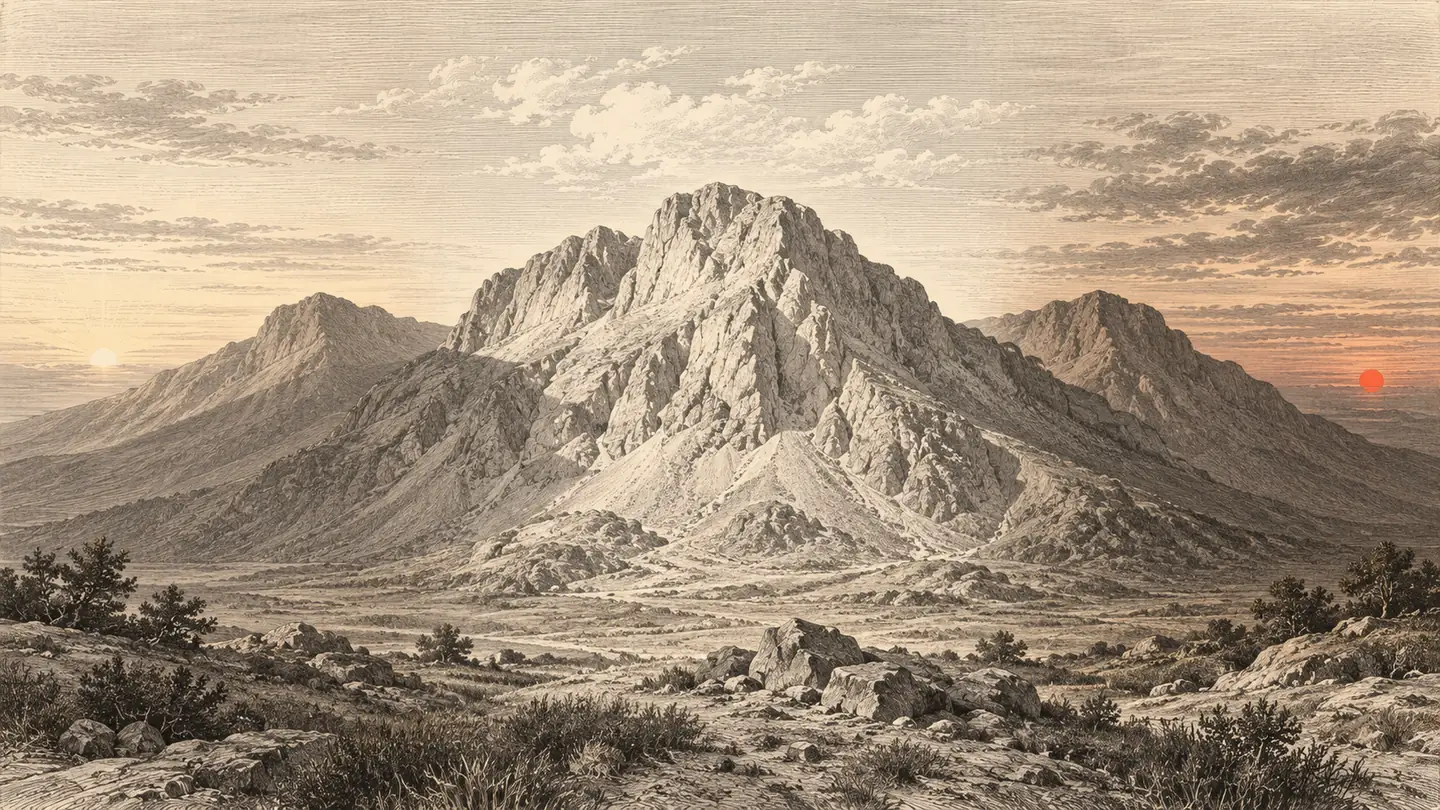
Looking at the mountain you see every day, always anew.
What did you see anew today?
Share your thoughts in the YouTube commentsKeep watching
Other games
 0112:22
Game 1·Schopenhauer×Hegel
Why You Crave Ramen at Midnight
 0213:44
Game 2·Zhuangzi×Turing
If AI Does All My Work, What Should I Do Next?
 0313:46
Game 3·Spinoza×Wonhyo
Why do we always regret it after we snap?
 0413:20
Game 4·Franklin×Keynes
Why Hard Work Alone Doesn't Make You Rich
 0511:12
Game 5·Sejong the Great×Leibniz
Could Writing Speech As It Is Change the World?
 0910:51
Game 9·Van Gogh×Hokusai
Is It Really Too Late?
 1110:18
Game 11·Yi Sun-sin×Aurelius