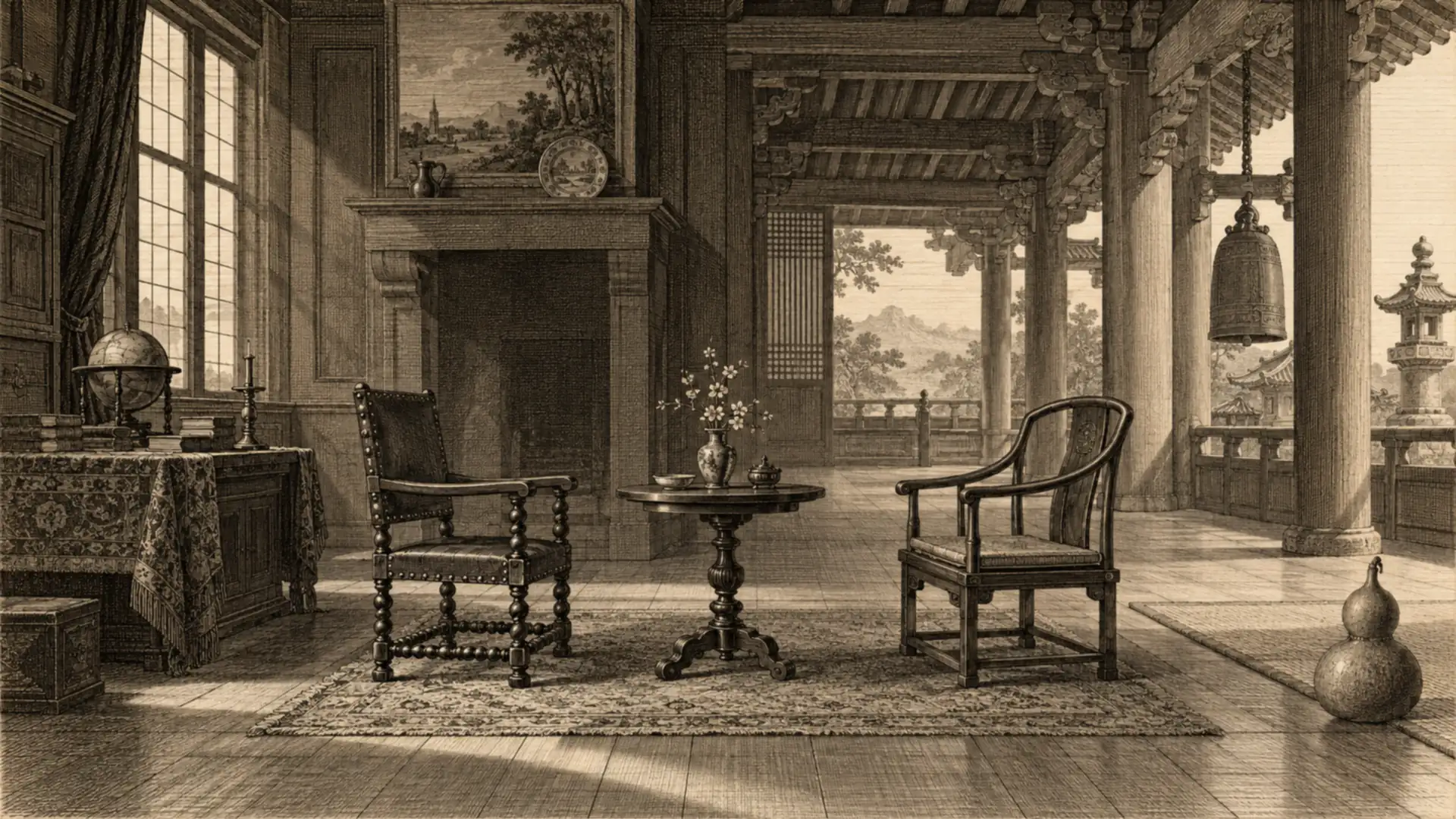
Great Games of Thought · Game 3 · · 13 min 46 s
Why do we always regret it after we snap?
Spinoza×Wonhyo
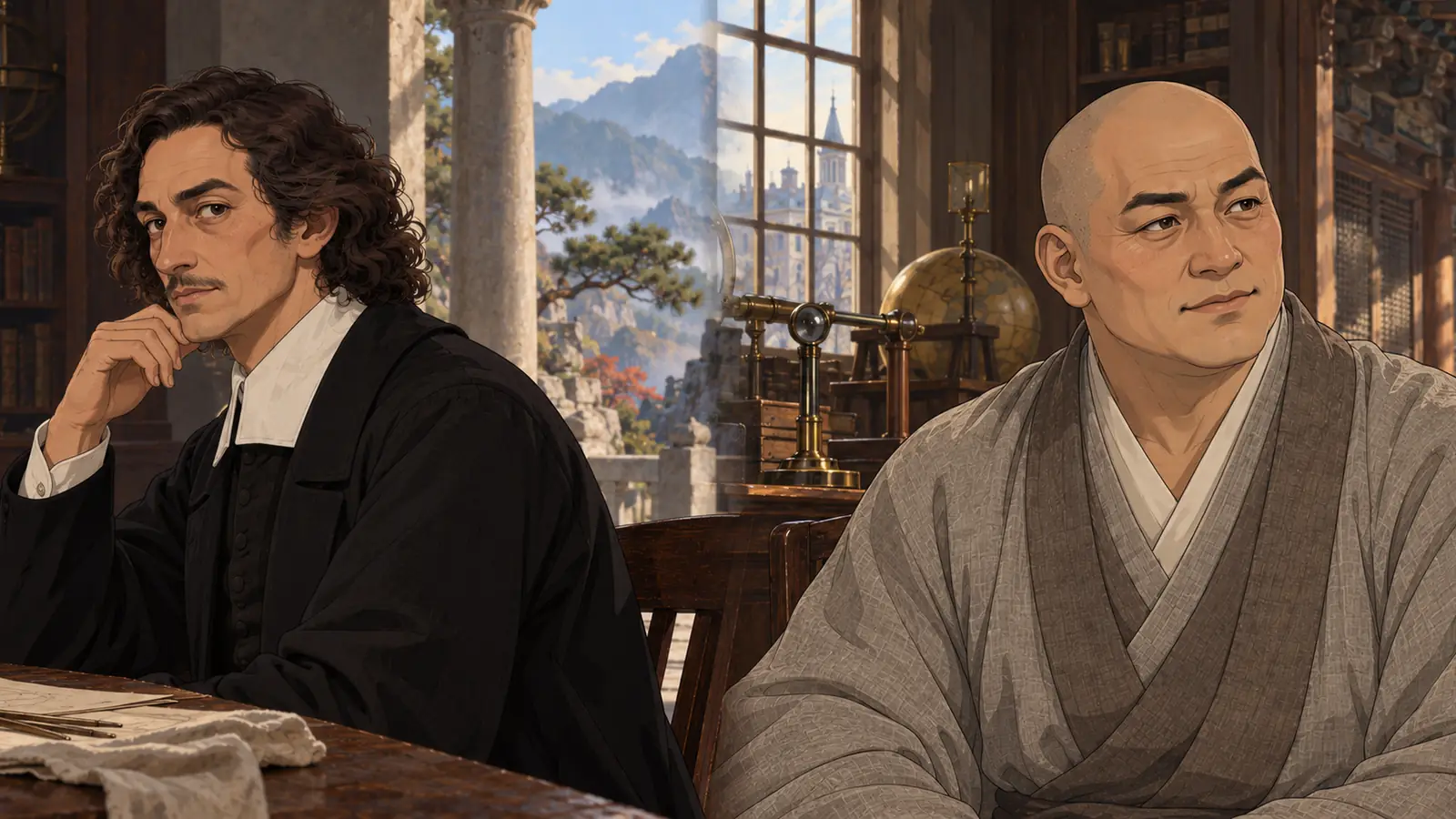
Watch on YouTube (13:46) · Audio in Korean · English subtitles
The Two
Spinoza and Wonhyo
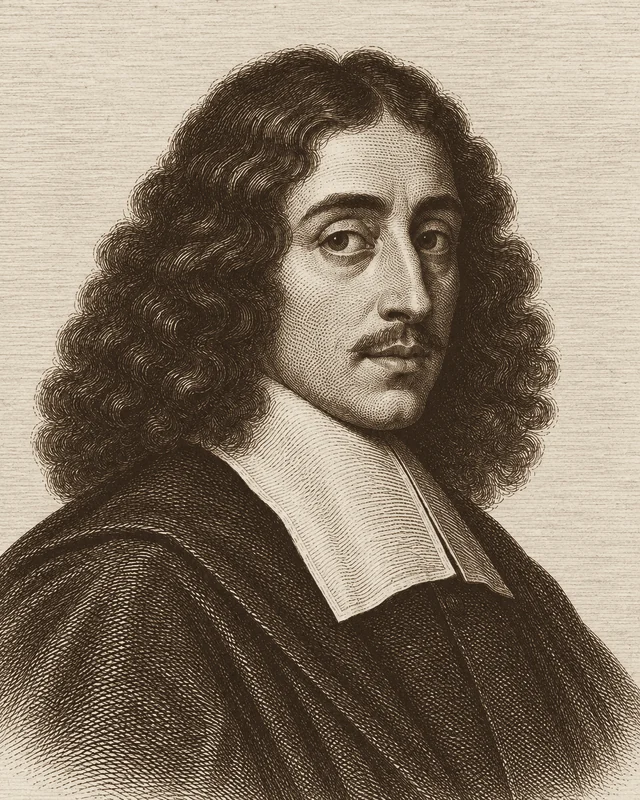 An imagined portrait
Spinoza
350 years agoThe feeling of being free is an illusion.Reconstruction; Ethics II, P35 Schol.
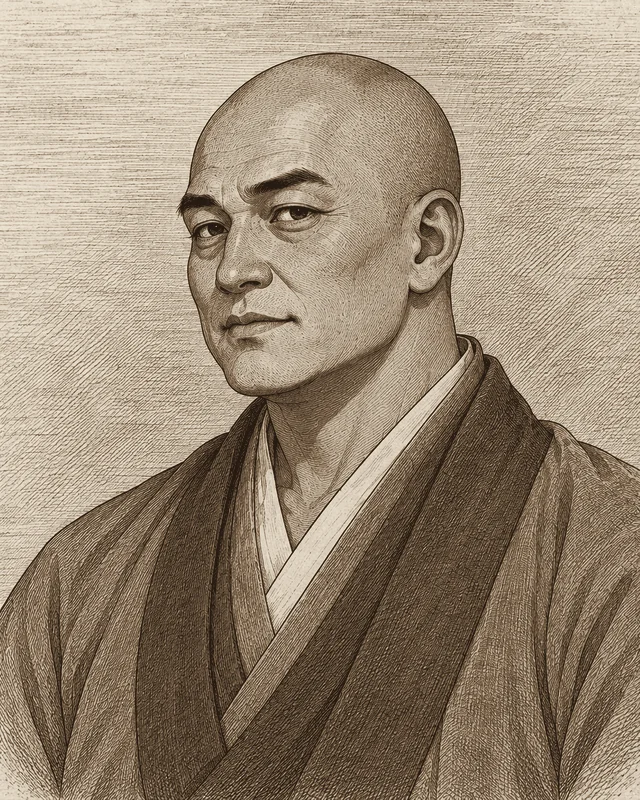 An imagined portrait
Even if it is an illusion, what sees that is also the mind.Reconstruction; Awakening of Faith (awakening/non-awakening); Wonhyo's commentary
Twist → Essence
Even Spinoza, who studied the emotions, snapped — and a single locked door stopped him.
Regret is the second arrow. If you see the cause, you can dodge the second arrow.
History · Philosophy · Science
Looking back
History
Even Spinoza, who studied the emotions, snapped — and a single locked door stopped him.
Philosophy
Regret is the second arrow. If you see the cause, you can dodge the second arrow.
Science
When you're angry, your heart races first, but breathing out slowly really does slow it down.
Read
Script and sources
The video's English subtitles, line by line. The dialogue in this video is a dramatization reconstructed from historical sources.
Script
105 lines · 12 chapters
[Record] confirmed in documents · [Paraphrase] the original, shortened · [Tradition] a story handed down · [Reconstruction] scenes and lines written on the basis of the records (the content of the lines comes from the original texts) · [Interpretation] scholars' interpretation · [Debated] not yet settled In the video, ① Fact · ② Interpretation · ③ My view are shown in Korean at the top left of the screen; the English subtitles mark only "My view". Stories handed down are marked [Tradition] only.
0:00
0:06
August 1672, The Hague, the Netherlands. When neighboring countries invaded all at once, terrified people looked for someone to blame.
That night, a quiet philosopher meant to go out and put up a placard. The words he meant to write: ultimi barbarorum — the lowest of barbarians. It meant: you who did this are the real barbarians.
Record; Leibniz's memo
Ever fired off a message in anger, went to delete it a minute later, and it already said "Read"?
Why do we always regret it after we snap? Today, let's look for the answer from this philosopher of 350 years ago.
Stay to the end and you'll take away three things. From history: the mob fury that shook the Dutch Golden Age. From philosophy: how not to be dragged around by your emotions.
1:17
1632, Amsterdam, the Netherlands. One of the freest, richest cities in Europe at the time.
But when he was 23, the Jewish community cast him out forever. Excommunication. Why, the records don't say in detail.
Note · Excommunication = cast out of the community
One night, someone swung a knife at him and nearly stabbed him. He's said to have kept the slashed coat instead of throwing it away.
Tradition
I do not know how far the freedom to philosophize would extend.
Reconstruction · Record; paraphrase; Letter 48 (1673)
He turned the post down. And he finished the book he had been writing for more than a decade: the Ethics. A book that works through human emotions one by one, like solving math problems.
I shall treat human emotions as if they were lines, planes, and solids.
Reconstruction · Record; paraphrase; Ethics III, Preface
2:16
Now let's go back a thousand years, to Silla. In 617, in what is now Gyeongsan in North Gyeongsang, a child was born. Wonhyo.
Record; Samguk yusa
An age when Silla, Baekje, and Goguryeo fought one another. Wonhyo, now a monk, set out to go to Tang China to learn the new Buddhism.
Around then in Tang, a monk named Xuanzang was translating the scriptures he'd brought back from India. The Heart Sutra, which we still chant today, is traditionally credited to his translation.
The first journey was blocked in Goguryeo territory. Border guards took the two monks for spies and seized them.
On the second journey, too, his friend Uisang was with him. One rainy night, the two crawled into a cave to sleep.
Thirsty, Wonhyo drank water pooled in a gourd bowl in the dark, and it tasted sweet.
Tradition
When he woke in the morning, the place was an old tomb, and the water had pooled in a skull. So the story goes.
Tradition
Last night it was so sweet, and today it sickens me. The water is the same — only my mind has changed.
Reconstruction; Tradition; Linjian lu (1107) etc.
According to the Samguk yusa, around that time, in King Muyeol's reign, Wonhyo became bound to Princess Yoseok and had a son, Seol Chong. He broke the monks' rules himself. He broke his vows.
Note · Breaking vows = breaking a monk's rules
Record; legend; Samguk yusa
And taking up a big gourd that clowns used, he named it "unhindered" — Muae. Singing and dancing, he went from village to village.
Note · Muae = caught on nothing
3:49
Cause. Everything has a reason that comes before it. A ball rolls because someone kicked it.
Note · Cause = the reason that comes before
Mind. The same water can taste sweet or sickening, depending on the mind.
Note · Mind = a mirror that shows the same thing differently
And kshana, the instant. A moment shorter than a snap of the fingers. Yes — that moment just now has already passed.
Note · Kshana = a very brief instant
4:13
If a thrown stone could think, it would believe it flies because it wants to.
Reconstruction · Record; paraphrase; Letter 58 (1674)
4:32
The two never met. What follows is an imagined conversation, built from their writings and the stories handed down about them.
Because they know what they want, but not why they want it.
Reconstruction; Ethics I, Appendix
That water was sweet last night. Sickening in the morning. Yet not a single drop of it had changed.
Reconstruction; Tradition; Linjian lu (1107)
So did the water change, or did my mind? Everything is made by the mind.
Reconstruction; Song Gaoseng zhuan (988); Linjian lu (1107)
Hold on, let's talk about the body. When anger surges, your heart speeds up before your thoughts have sorted themselves out.
The moment you see that cause clearly, anger can no longer drag you around.
Reconstruction; Ethics V, P3 & P6
So when you're angry, ask yourself silently: What exactly am I angry about right now? That one question moves you from the one being dragged to the one watching.
Hatred repaid with hatred grows greater. Repaid with love, it can disappear.
Reconstruction; Ethics III, P43
The mind is like the sea. When the wind blows, waves rise, but the seawater stays the same.
Reconstruction; Awakening of Faith; Wonhyo's commentary
You and I — our two quarreling views are two waves of one sea. Seeing clearly is good, too. But I do not cling.
Reconstruction; Wonhyo's hwajaeng & muae
To enjoy things in moderation is the part of a wise man.
Reconstruction; Ethics IV, P45 Schol.
In one 1983 experiment, the brain had already begun preparing about 0.3 seconds before people became aware of deciding to move their wrist. How to interpret it is still debated.
Record; interpretation debated
Even if it is an illusion, what sees that is also the mind.
Reconstruction; Awakening of Faith (awakening/non-awakening); Wonhyo's commentary
Breathe in and your heart speeds up a little; breathe out slowly and it really does slow down.
Note · Slow exhale = the heart's brake
Shall we try it together? If you're driving, keep your eyes open. Breathe in for 4 seconds, and out for 6.
7:11
In 1672, the Netherlands was attacked by four countries at once. People call it the Disaster Year.
Many historians believe that amid that fear and fury, the Dutch Golden Age began to fade.
Five years later, Spinoza died of lung disease at 44. The Ethics came out only after his death, and was soon banned.
Goethe read the Ethics as a young man, and later wrote that it calmed his seething passions. Hegel said that to do philosophy, you must first go through Spinoza.
Chinese monks, too, loved reading Wonhyo's books. And some 400 years later, Goryeo raised him to National Preceptor — teacher of the nation.
8:02
In that moment of snapping, are we free? Spinoza says the cause comes first; Wonhyo says the mind makes it. Leave a comment. Just don't write it in a fit of anger.
If everything so far was facts and scholars' interpretations, from here on it's my own view.
8:19
The Buddha said: Everyone is hit by the first arrow. But an ordinary person is then hit by a second arrow as well.
Note · First arrow = the pain no one escapes · Second arrow = the suffering we add (angry words, regret)
Record; paraphrase; Saṃyutta Nikāya 36:6
The suffering the Buddha spoke of, dukkha, is closer to "things not going as we wish." In other words, life not going our way is normal.
Note · Dukkha (苦): things not going as we wish; unsatisfactoriness
On your way to work, someone cuts you off. Your heart jolts. That much is the first arrow. No one can dodge it.
But then you honk, roll down the window, and replay that person's face all day. Those are the second and third arrows we shoot ourselves. And lying in bed at night, we shoot a fourth.
Spinoza, too, wrote in the Ethics: he who repents is doubly wretched.
Record; paraphrase; Ethics IV, P54
Spinoza knew: if you don't know the cause, you get dragged along; if you see the cause, you don't. That's how to dodge the second arrow.
Yet even Spinoza snapped that night in 1672. What stopped him wasn't a philosophy book, but a single locked door.
Because both refused to be bound by convention, they may well have become the excommunicated philosopher and the monk who broke his vows.
We don't choose anger. It surges up on its own. But what we say after it surges, we can choose.
People of old called a very brief instant kshana. Stop in that instant, and take one breath.
Grab this gap and brood on it, and you suffer. Pretend there's no gap, and anger drags you away.
Neither grasp it nor throw it away — play lightly in that gap. Leaping and playing in that instant: that is free will.
So what about AI? Have you ever gotten angry at an AI? Today's AI doesn't snap. If anything, it says, "Sorry for the inconvenience."
So is AI enlightened? The Buddha said even a well-taught disciple is hit by the first arrow. Feeling it and not being dragged along — that is enlightenment.
Having a body doesn't mean you snap, either. A robot vacuum can bump into a wall a hundred times and never snap. To snap, you need something to lose. You need to be alive.
So don't blame yourself for snapping. Snapping is proof that you're alive. And that gap, too, exists only for us, the living.
I'm not saying just hold your anger in. Injustice deserves anger. Even Spinoza, who warned against anger, got angry that day.
Through philosophy: my actions, too, become causes of what comes next. That's Spinoza's idea.
Through history: after breaking the precepts, Wonhyo made himself an ordinary man and lived among the common people.
Through science: the brain looks at results and adjusts its next choice. Regret is that signal.
Where you've leapt and played, footprints remain. Those footprints, too, are the player's to own.
So when the urge to snap comes today, just breathe out slowly once, like we tried earlier. Your heart will get the message first.
12:00
History. Even Spinoza, who studied the emotions, snapped — and a single locked door stopped him.
Philosophy. Regret is the second arrow. If you see the cause, you can dodge the second arrow.
Science. When you're angry, your heart races first, but breathing out slowly really does slow it down.
12:18
Anger will come again. Tomorrow, and the day after. Each time, one breath. Even if the first arrow hits, we don't shoot the second.
People of old called enlightenment "the far shore" across the river. Wonhyo, too, tried to cross the sea in search of that shore.
The far shore isn't far away. It's right here, in this very moment, when we dodge the second arrow and cross over together.
Sources and research
Sources are listed in their original Korean.
- Record스피노자가 그날 밤 "ultimi barbarorum(야만인 중의 야만인)" 벽보를 붙이러 나가려 했고 집주인이 집을 잠갔다는 이야기: 라이프니츠가 1676년 스피노자에게 직접 듣고 남긴 메모 · Internet Archive
- Record1656년 암스테르담 유대 공동체의 파문(사유는 문서에 구체적으로 적혀 있지 않음) · SEP
- Record · Paraphrase스피노자 편지 48(1673) · 편지 58(1674, 던져진 돌) · 『윤리학』(1675년 무렵 완성, 1677년 사후 출간): 1부 부록, 2부 정리 35 주석, 3부 서문, 3부 정리 43, 4부 정리 45 주석, 4부 정리 51 주석, 4부 정리 54("후회하는 사람은 두 번 비참하다"), 1부 정리 36, 5부 정리 3·6 · Project Gutenberg
- Tradition칼에 찔릴 뻔한 일과 외투(피에르 벨 등 초기 전기) · Internet Archive
- Record『삼국유사』 「원효불기」: 617년 출생, 광대의 큰 박과 무애 · 『삼국사기』 권46 설총전: 설총은 원효의 아들, 원효는 환속해 소성거사라 함 · Korean History DB
- Record · Legend『삼국유사』 「원효불기」가 향전(鄕傳)에서 옮긴 이야기: 무열왕(태종) 때 요석공주와의 인연, 설총 · Korean History DB
- RecordSamguk yusa, 'Uisang Transmits the Teaching': on his first journey to study abroad he was taken for a spy at the Goguryeo border (the year of this event is not given there; 650 is the date adopted by the Encyclopedia of Korean Culture and others) · Korean History DB
- Record『송고승전』(988) 권4 의상전: 두 번째 길의 흙 굴, 원효의 깨달음 "三界唯心 萬法唯識" (661년은 『삼국유사』 「의상전교」가 인용한 부석본비) · CBETA
- Tradition해골물: 『송고승전』에는 무덤 굴 이야기만 있고, 해골에 고인 물을 마신 대목은 『임간록』(1107) 등 후대 문헌에 나옵니다 · Wikisource
- Record『대승기신론』의 바다와 물결 비유 · 원효 『대승기신론소』 · 현장 역으로 전하는 반야심경(649) · 고려 숙종의 대성화쟁국사 추증(1101) · CBETA · Korean History DB
- Record『상윳따 니까야』 36:6 「화살 경」: 누구나 첫 번째 화살(몸의 아픔)은 맞고, 보통 사람은 거기에 두 번째 화살(마음의 괴로움)을 또 맞는다 · Access to Insight
- Interpretation고(苦, 두카) = 뜻대로 되지 않음·불만족: 학자들의 일반적 풀이
- Record괴테 『시와 진실』 3부 14권(1814) · 헤겔 『철학사 강의』 · Zeno.org
- Record · Interpretation debated리벳 외, Brain 106권(1983), 623~642쪽 · DOI
- Record호흡성 동성 부정맥: 들숨에 심박이 조금 빨라지고 날숨에 느려짐(Yasuma·Hayano, Chest 125권 2호, 2004, 683~690쪽) · 분노 때 심박 증가(Kreibig, Biological Psychology 84권, 2010, 394~421쪽) · DOI
- Record보상 예측 오차(슐츠 외, Science 275권, 1997) · 후회와 안와전두엽(코리첼리 외, Nature Neuroscience 8권, 2005) · DOI
- Record찰나: 장사가 손가락 한 번 튕기는 동안 64찰나(『아비달마대비바사론』 권136) · CBETA
- Interpretation네덜란드 황금시대가 1672년 무렵부터 저물기 시작했다는 역사가들의 견해
- Reconstruction집주인의 말과 원효의 해골물 대사는 위 기록·전승을 바탕으로 지은 대사입니다
If you find a mistake, please tell us in the video's comments. We will check it and correct it. How We Check Facts
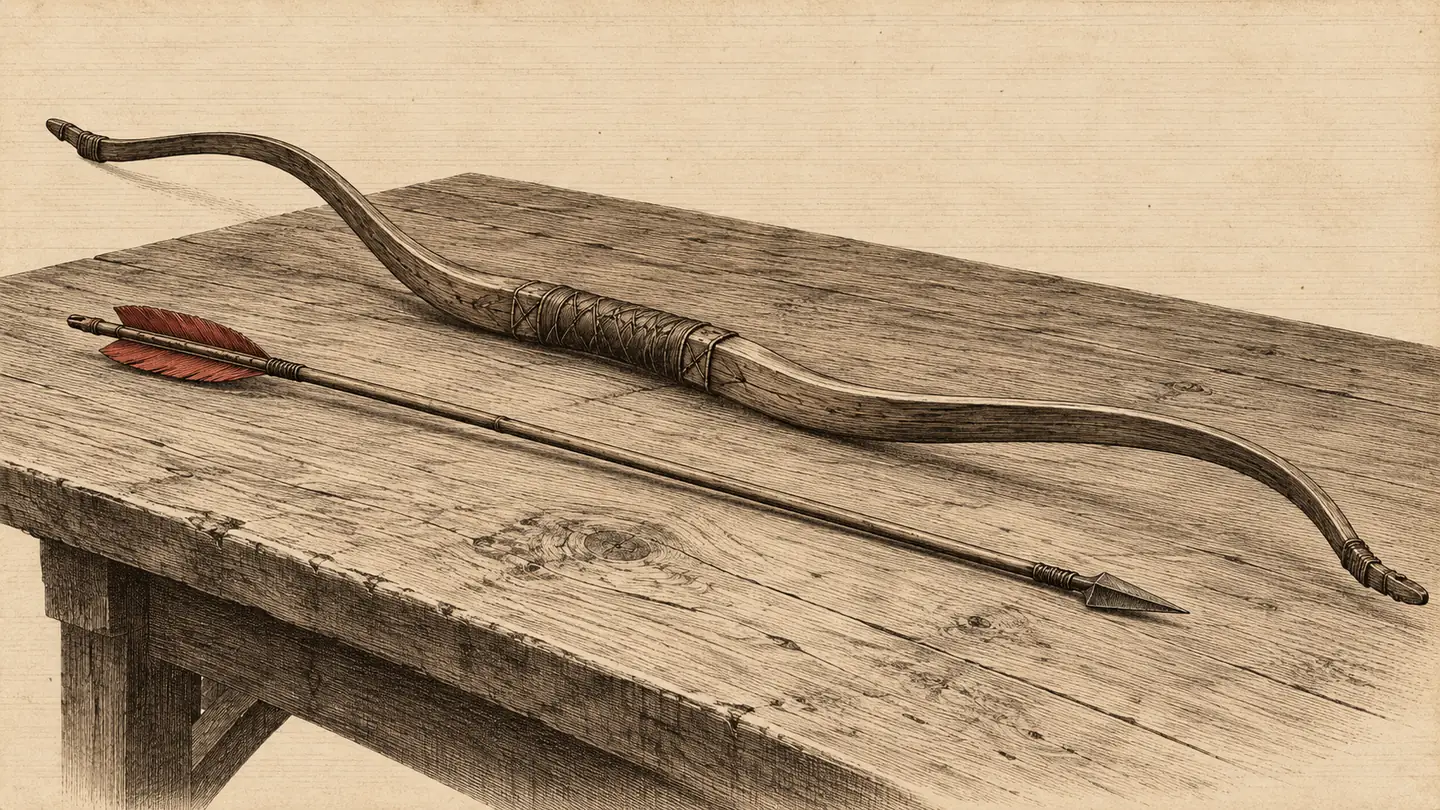
One last question. What second arrow would you like to avoid today?
Share your thoughts in the YouTube commentsKeep watching
Other games
 0112:22
Game 1·Schopenhauer×Hegel
Why You Crave Ramen at Midnight
 0213:44
Game 2·Zhuangzi×Turing
If AI Does All My Work, What Should I Do Next?
 0413:20
Game 4·Franklin×Keynes
Why Hard Work Alone Doesn't Make You Rich
 0511:12
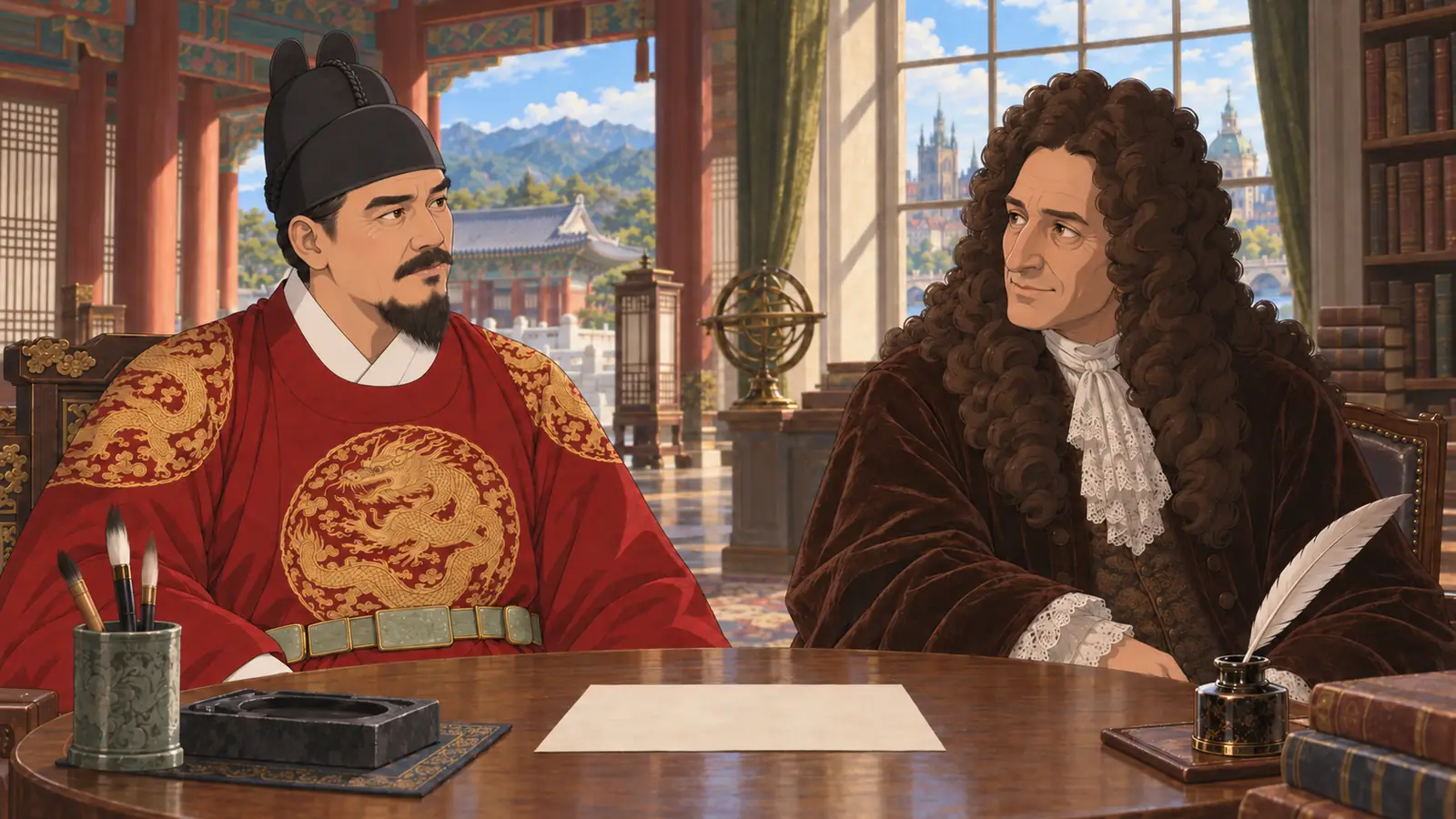
Game 5·Sejong the Great×Leibniz
Could Writing Speech As It Is Change the World?
 0710:18
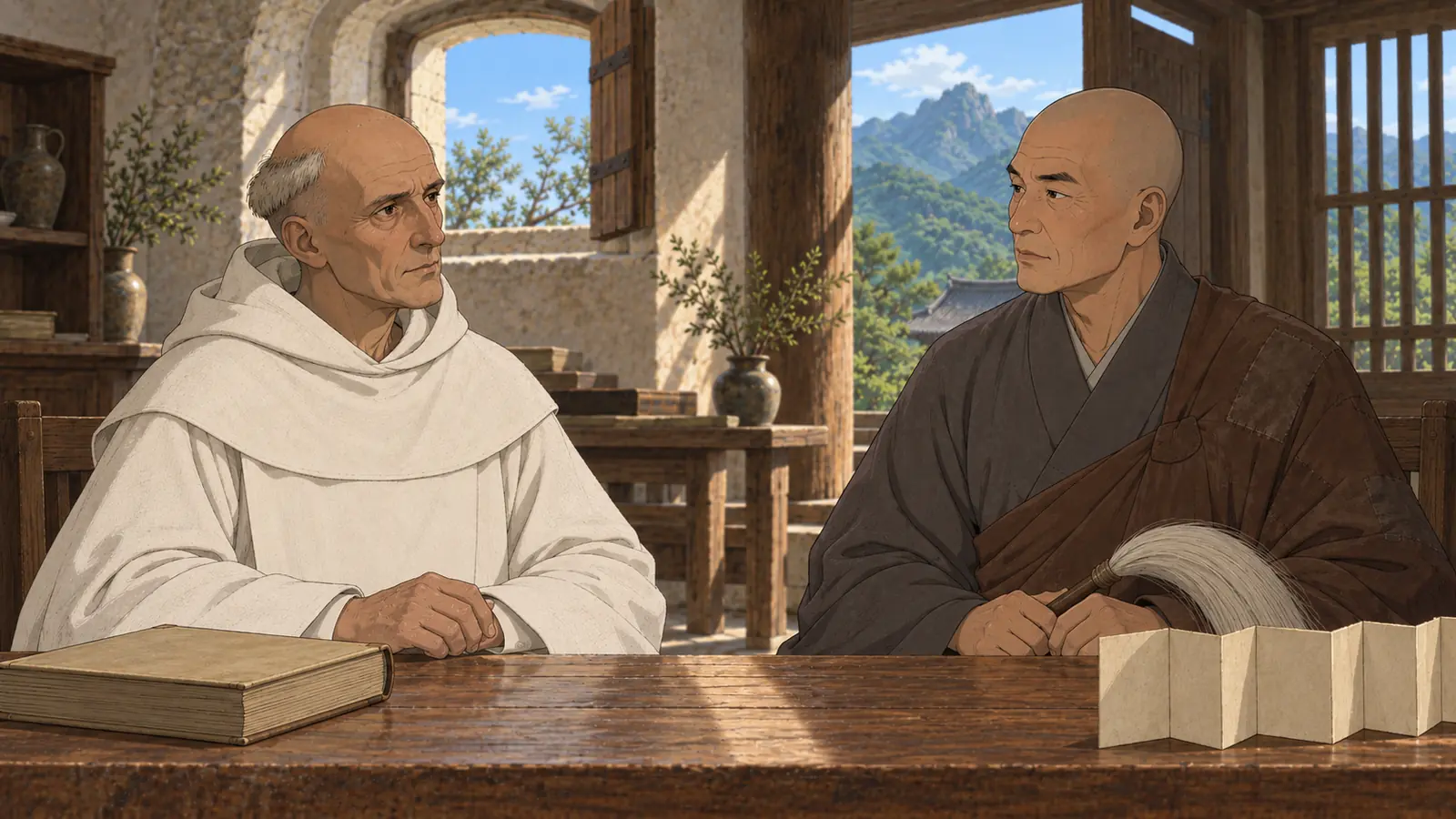
Game 7·Eckhart×Naong
What Gets You Through a Hard Day?
 0910:51
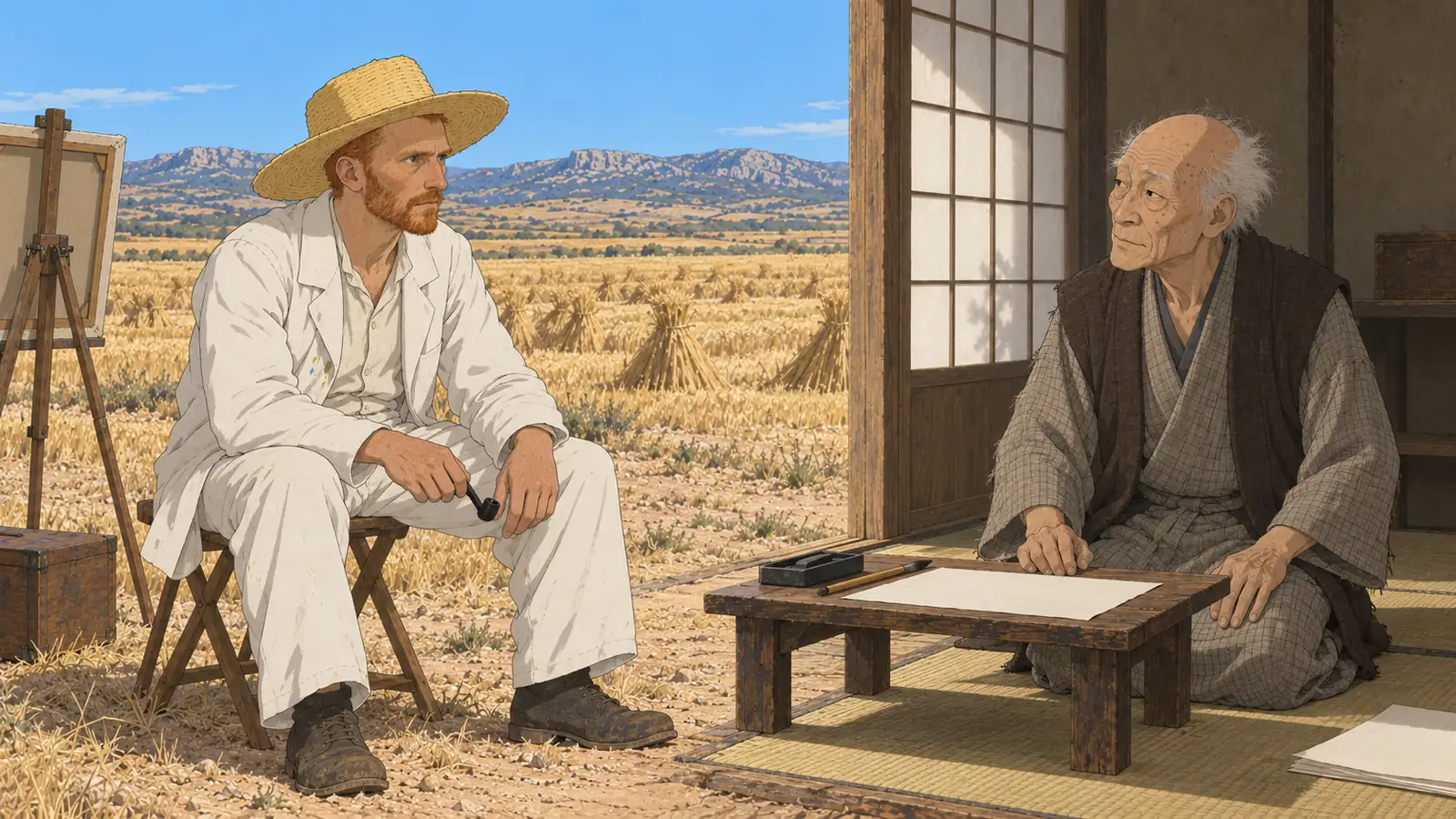
Game 9·Van Gogh×Hokusai
Is It Really Too Late?
 1110:18
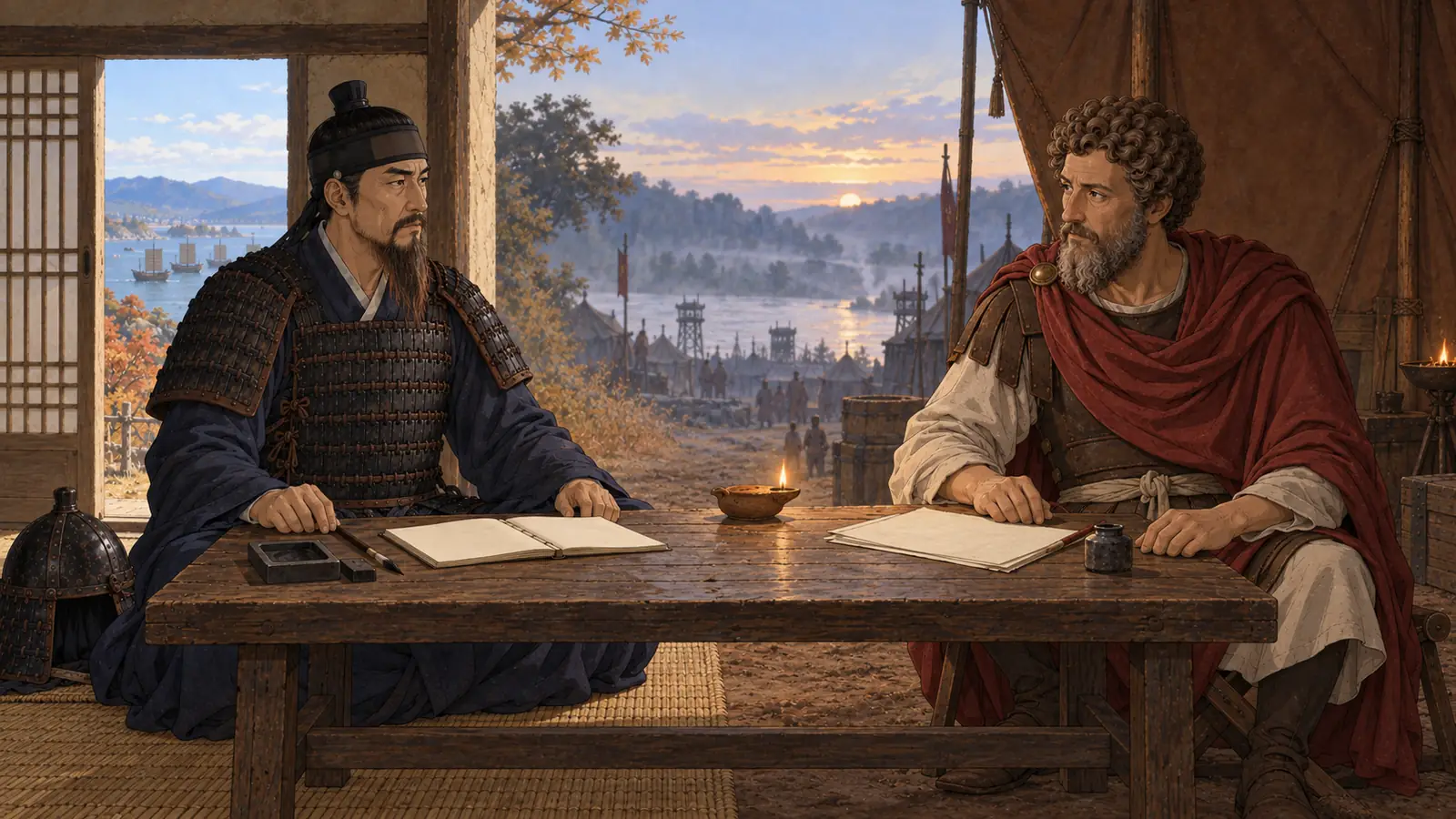
Game 11·Yi Sun-sin×Aurelius